Mars Atmosphere: A Potential Water Source for Future Missions
2 min read
Introduction: The Quest for Water on Mars
As humanity sets its sights on Mars, the quest for sustainable resources becomes crucial. A new study published in Advances in Space Research suggests that the Martian atmosphere might hold the key to human survival. Scientists have found that moisture in the atmosphere could serve as an essential backup water source for future human missions. This discovery could significantly impact mission planning and sustainability on the Red Planet.
Access to water is a fundamental requirement for any long-term human presence on Mars. Currently, underground ice is considered the most promising water source. However, the ability to extract water from the atmosphere provides an additional layer of security for astronauts.
Unveiling the Study: How Scientists Made the Discovery
The research conducted by a team of international scientists involved extensive analysis of Martian atmospheric data. They used advanced spectrometry to identify water vapor presence. The Daily Galaxy provides an in-depth look at the methods used in this groundbreaking study.
Moreover, the study highlights how atmospheric water could be collected and processed. The proposed methods involve using special filters and condensation techniques, which could be powered by solar energy. This approach not only reduces dependency on underground sources but also aligns with sustainable energy practices.
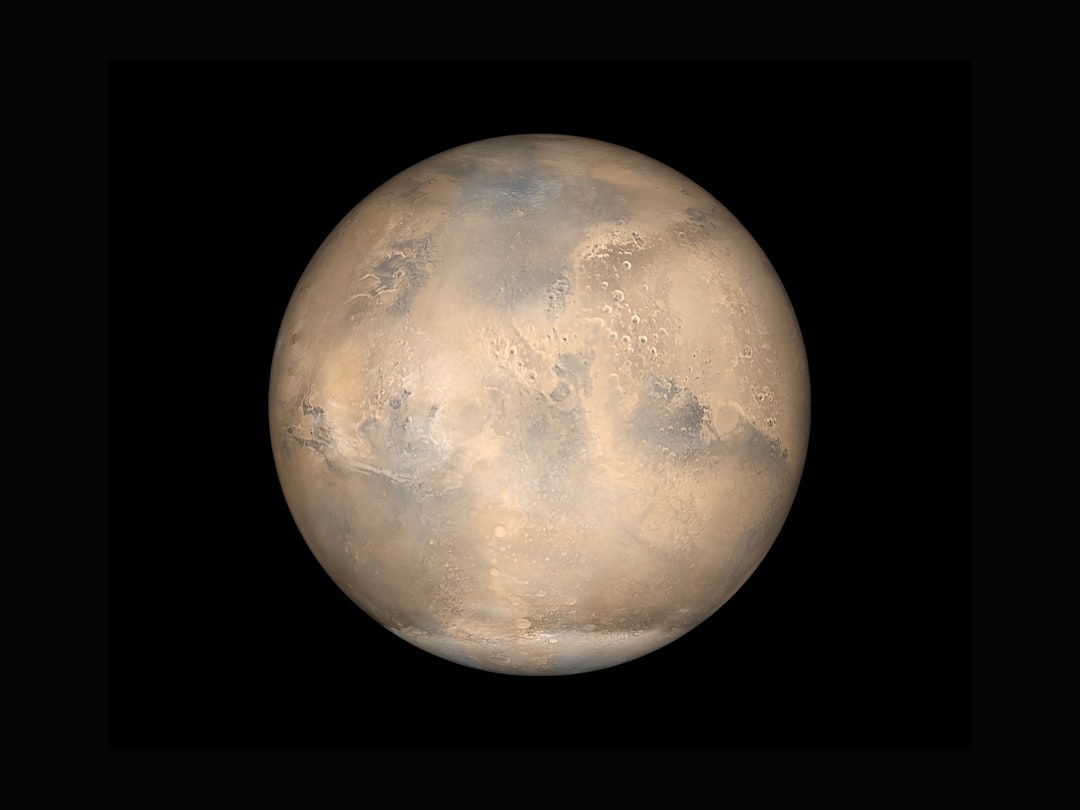
Comparing Potential Water Sources on Mars
While underground ice has been the focus of many studies, atmospheric moisture offers distinct advantages. Firstly, the extraction process from the atmosphere could be less energy-intensive. Secondly, it provides a readily available resource that can be accessed anywhere on the planet.
However, challenges remain in terms of efficiency and technology development. Mars has a thin atmosphere, which complicates the extraction process. Therefore, further research and technology advancements are crucial to harness this resource effectively.
Implications for Future Mars Missions
NASA and other space agencies are closely monitoring these findings. The potential to tap into atmospheric moisture could reshape mission strategies. For instance, it might reduce the need to transport water from Earth, lowering mission costs significantly.
Additionally, this discovery opens up possibilities for establishing permanent human settlements on Mars. Sustainable water resources are vital for agriculture, oxygen production, and other life-support systems. Consequently, the ability to utilize atmospheric moisture strengthens the feasibility of long-term habitation.
Conclusion: A Step Closer to Mars Colonization
In conclusion, the identification of atmospheric moisture as a viable water source marks a significant milestone. It not only enhances the sustainability of future missions but also brings humanity closer to the dream of colonizing Mars. The study underscores the importance of continued research and innovation in space exploration.
Source Attribution: This article relies on information from The Daily Galaxy.
About The Author


