Minnesota’s Limited Power Against Federal ICE Actions
3 min read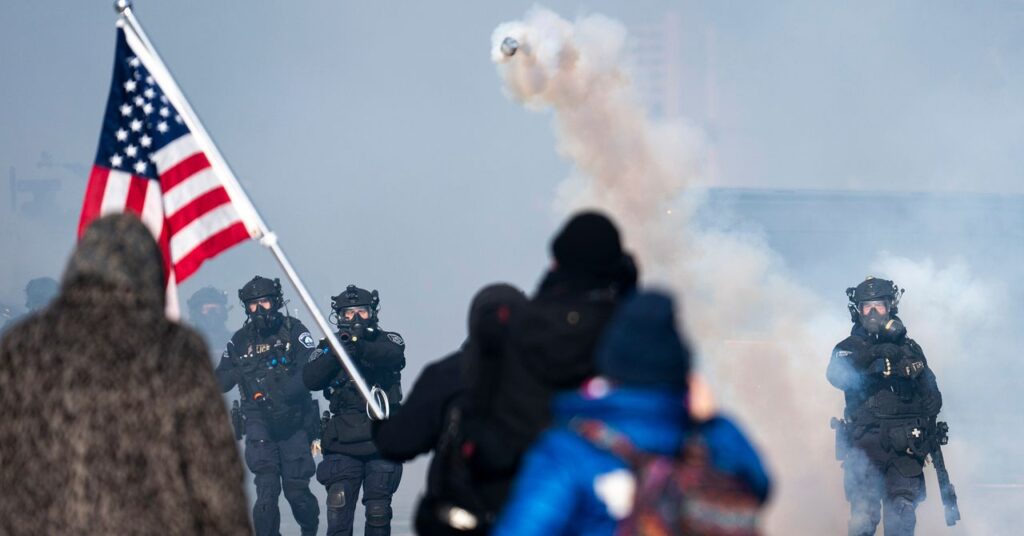
Minnesota’s Limited Power Against Federal ICE Actions
The recent federal presence in Minneapolis has sparked widespread concern. Thousands of masked federal officers, operating under unclear authority, have engaged in aggressive tactics against protesters and civilians. This scenario has left many questioning why Minnesota’s leaders appear powerless to intervene.
The Rise of Federal Intervention
The federal government’s aggressive approach in Minneapolis marks a significant shift in how immigration enforcement is conducted. According to WIRED, this is unprecedented in modern American history. The state’s attempts to counteract these actions are limited by federal authority. As a result, state officials find themselves in a challenging position.
State vs. Federal Authority
Minnesota’s inability to curb federal actions stems largely from the balance of power between state and federal governments. The U.S. Constitution grants the federal government the authority to enforce immigration laws. Consequently, state officials have minimal leverage. For instance, any attempt to directly oppose federal agents could lead to severe legal battles or even declarations of federal supremacy.
Legal Implications
Moreover, legal experts suggest that Minnesota’s options are severely constrained. Any state-level intervention could be challenged in court, potentially escalating to the Supreme Court. Legal battles of this nature could take years to resolve. Meanwhile, the federal presence continues to grow.

Political Repercussions
The political landscape in Minnesota is also deeply affected. Democratic lawmakers face pressure from constituents demanding action. However, any direct confrontation with federal forces could exacerbate tensions, leading to significant political fallout. Therefore, elected officials are exploring alternative approaches, such as legislative measures that might limit cooperation with federal immigration authorities.
Public Reaction and Resistance
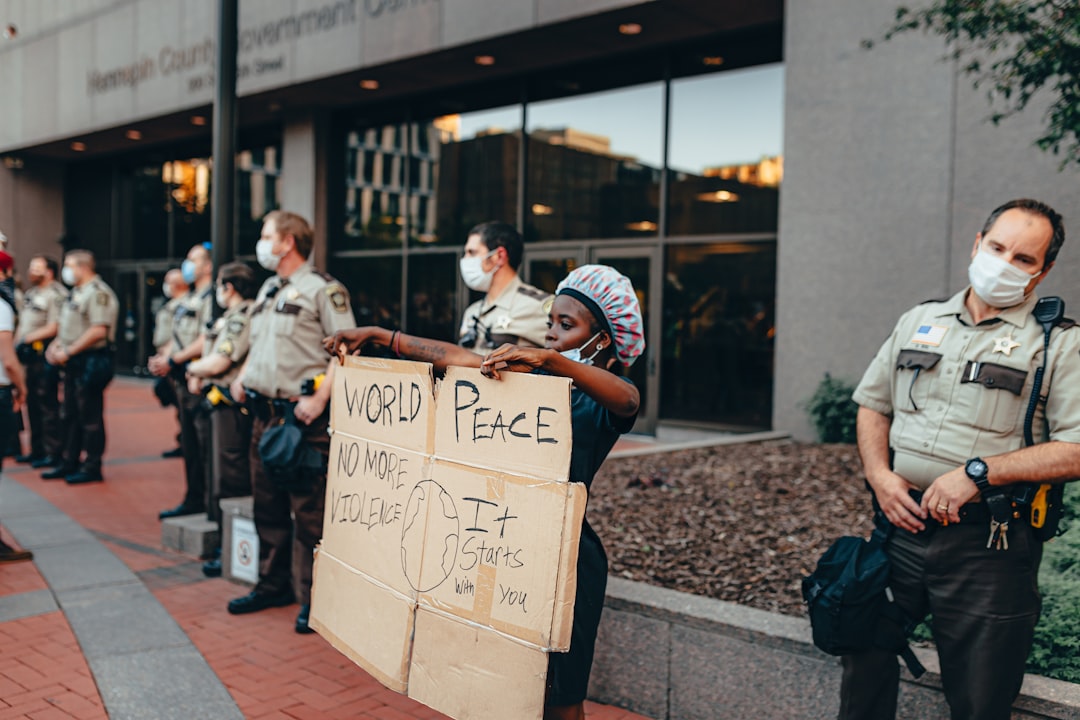
The people of Minnesota have not remained silent. Protests and public demonstrations have surged in response to federal actions. Community leaders and activists are mobilizing to create awareness and demand accountability. Additionally, organizations are working to provide legal support to those affected by the federal presence.
Grassroots Movements
Grassroots movements have gained momentum, emphasizing the need for transparency and respect for civil rights. These movements highlight the broader national debate on immigration and federal intervention. They also shine a light on the role of local communities in shaping policy through advocacy and activism.
Looking Ahead
In conclusion, Minnesota’s struggle against federal ICE actions underscores the complexities of state and federal power dynamics. The situation in Minneapolis may serve as a precedent for other states facing similar challenges. As the nation watches, lawmakers and citizens alike must navigate this delicate balance with caution and foresight.
Furthermore, the ongoing debate about immigration enforcement continues to be a polarizing issue in American politics. This situation calls for thoughtful dialogue and collaboration between state and federal entities to ensure that constitutional rights are upheld.
For additional context on the balance of state and federal powers, visit Wikipedia. More information on ICE operations can be found on the official ICE website.
Source Attribution: This article is based on information from WIRED.
About The Author


