Perseids Meteor Shower 2026: Peak Viewing Tips
3 min read
The Celestial Spectacle Awaits
In 2026, the sky will host one of the most anticipated celestial events: the Perseids meteor shower. This annual spectacle is set to peak on August 12 and August 13. With the absence of moonlight, stargazers can enjoy an unobstructed view of this dazzling display. The Perseids are renowned for their bright meteors and high frequency, making them a favorite among both amateur and professional astronomers.
Perhaps nothing makes us feel smaller than witnessing a celestial event. It reminds us that Earth is just a tiny speck in the vast cosmos. Nevertheless, such events also offer a sense of wonder and unity, as people across the globe look up to the same night sky.
What Makes the Perseids Special?
The Perseids meteor shower occurs annually when Earth passes through the debris left by the comet Swift-Tuttle. As these particles enter Earth’s atmosphere, they burn up, creating the streaks of light known as meteors. The Perseids are particularly known for their brightness and speed.
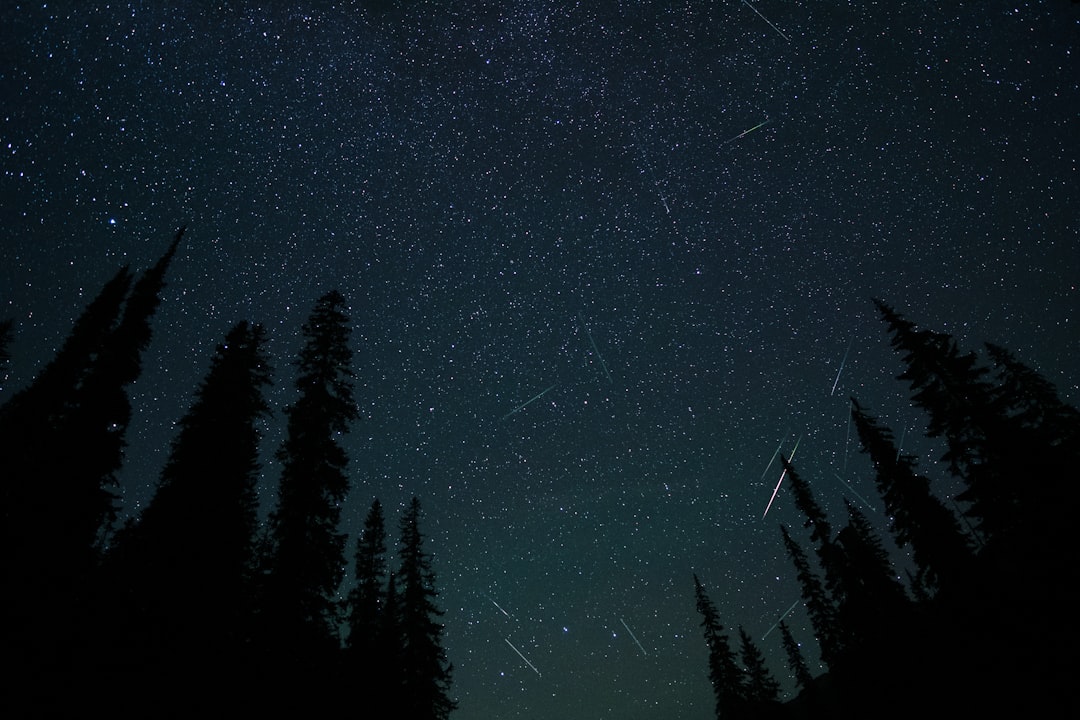
Moreover, the 2026 shower is expected to be particularly spectacular due to the dark, moonless nights. According to NASA, the Perseids can produce up to 100 meteors per hour at their peak under ideal conditions. Therefore, this year’s event promises to be a breathtaking experience for those who take the time to watch.
How to Best Experience the Meteor Shower
For the best viewing experience, find a location away from city lights. Urban areas can significantly reduce the number of visible meteors. Once you have found a suitable spot, allow your eyes to adjust to the darkness for at least 30 minutes. This will enhance your ability to see the fainter meteors.
Additionally, no special equipment is necessary to enjoy the Perseids. A comfortable chair or blanket can make the experience more enjoyable. Furthermore, patience is key. Meteors can appear sporadically, so plan to spend a few hours under the stars.
Ideal Locations for Viewing
While the Perseids can be seen from anywhere in the Northern Hemisphere, some locations offer exceptional views. National parks, remote countryside areas, and designated dark-sky reserves provide ideal conditions. The International Dark-Sky Association lists several certified dark-sky locations that promise minimal light pollution.
The Science Behind the Perseids
Comet Swift-Tuttle, the source of the Perseids, was discovered in 1862. It orbits the Sun every 133 years, leaving a trail of particles that Earth intersects each August. When these particles collide with Earth’s atmosphere, they create the bright streaks visible in the night sky. The Perseids are named after the constellation Perseus, from which they appear to radiate.
According to experts, the shower’s intensity varies each year due to factors such as the density of the comet’s debris and Earth’s position within the stream. However, 2026 is expected to be one of the more prolific years, delighting sky watchers around the world.
Conclusion: A Night to Remember
In conclusion, the 2026 Perseids meteor shower offers a unique opportunity to witness one of nature’s most beautiful displays. For those who take the time to look up, the night sky will reward them with a spectacular show. Whether you’re a seasoned astronomer or a first-time stargazer, this celestial event is not to be missed.
Overall, the Perseids remind us of the wonders of the universe and our place within it. As we watch meteors streak across the sky, we are connected by a shared experience, perhaps feeling a bit smaller but also more united.
For more information on the Perseids, visit the original article from Travel + Leisure.
Source Attribution: Original information verified by Travel + Leisure, published on January 25, 2026.
About The Author