Canada Declines Free Trade Talks with China Amid U.S. Tensions
3 min read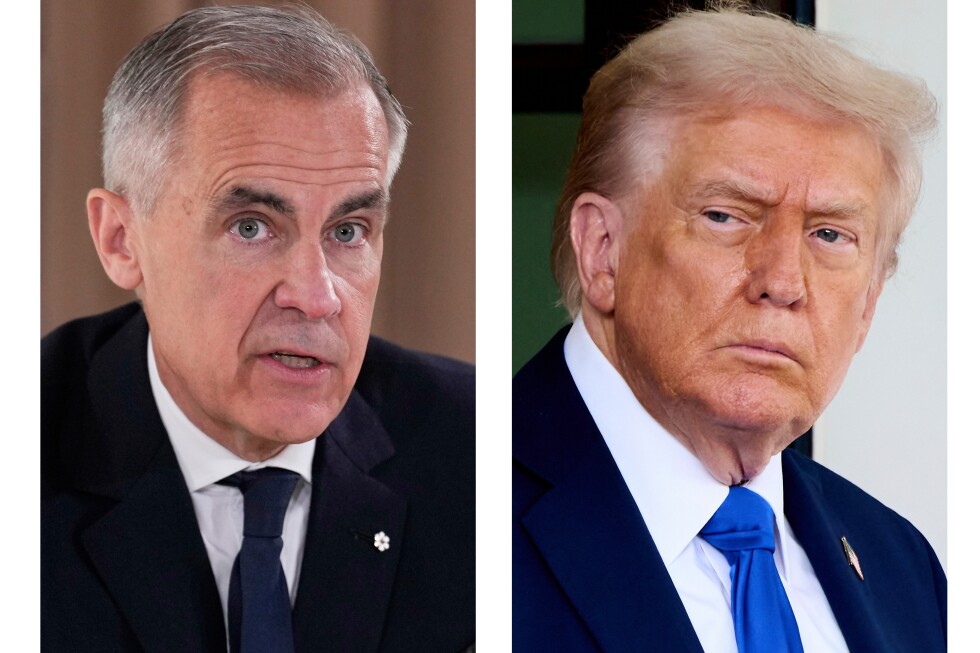
Canada Declines Free Trade Talks with China Amid U.S. Tensions
Canadian Prime Minister Mark Carney announced on Sunday that Canada has no plans to pursue a free trade agreement with China. This decision comes as U.S. President Donald Trump threatens to impose a 100% tariff on Canadian imports. Carney’s statement highlights the delicate balance Canada must maintain in its international trade relationships.
Carney’s Statement and Its Implications
During a press conference in Toronto, Carney clarified Canada’s stance on trade with China. “We are prioritizing our existing trade agreements and focusing on strengthening them,” he said. This stance is significant, considering the ongoing trade tensions between the United States and China, which have created a complex global economic environment.
U.S.-Canada Trade Relations
President Trump’s tariff threats aim to pressure Canada into aligning more closely with U.S. trade policies. The U.S. is Canada’s largest trading partner, with billions in goods crossing the border annually. Therefore, maintaining a strong relationship with the U.S. is crucial for Canada’s economic stability.
However, Carney emphasized the importance of diversifying Canada’s trade partnerships to reduce dependency on any single country. “We are exploring new markets and strengthening ties with European and Asian partners,” he added. This strategic move aims to safeguard Canada’s economy against potential disruptions.

China’s Role in Global Trade
China remains a dominant force in global trade, making it a key player for many countries, including Canada. Nevertheless, the recent geopolitical tensions have made trade negotiations with China more complicated. Canada’s cautious approach reflects a broader trend among Western nations, who are re-evaluating their economic ties with China.
Expert Opinions on Canada’s Trade Strategy
Trade experts support Canada’s decision to hold off on a free trade agreement with China, citing the need for thorough risk assessment. “Engaging with China requires careful consideration of economic and political factors,” said trade analyst Julia Wong. “Canada must weigh the benefits against potential risks.”
Furthermore, economists suggest that diversifying trade can enhance Canada’s resilience. By expanding trade with other regions, Canada can mitigate the impact of global economic shifts.
Future of Canada-U.S.-China Trade Dynamics
As the U.S. and China continue their trade negotiations, Canada finds itself in a challenging position. Carney’s announcement signals Canada’s intent to maintain independence in its trade policies while navigating these complex dynamics.
Looking ahead, Canada may face pressure to choose sides. However, its strategy to strengthen existing trade agreements and explore new partnerships could offer a path to economic stability and growth.

In conclusion, Canada’s decision not to pursue a free trade agreement with China underscores its commitment to a balanced and diversified trade strategy. As global trade tensions persist, maintaining flexibility and independence remains a priority for Canada’s economic future.
Source Attribution: This article is based on information from the Associated Press and other verified sources.
About The Author