NASA Captures Stunning Aurora Over Europe from Space
2 min read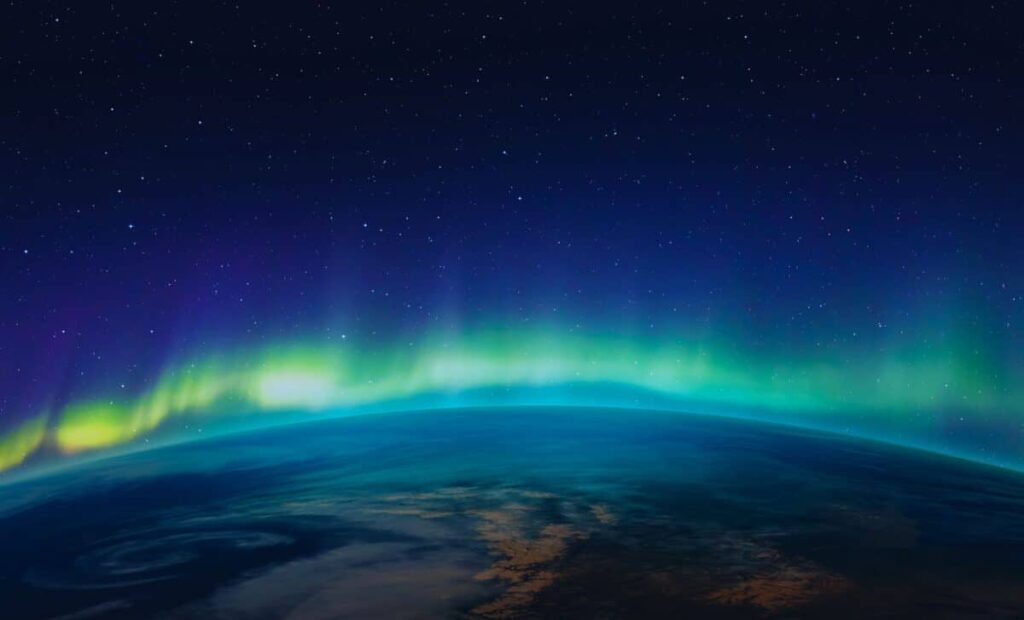
A Dazzling Display in the Night Sky
On January 19, 2026, the night sky over Europe transformed into a mesmerizing canvas of red and green hues. This breathtaking aurora was captured from the International Space Station (ISS) as it orbited 262 miles above the Mediterranean region. The vivid colors, painted across the sky, resulted from a geomagnetic storm that interacted with Earth’s atmosphere. This celestial event offered both scientists and skywatchers a rare visual treat.
The Science Behind the Spectacle
Auroras occur when charged particles from the sun collide with gases in Earth’s atmosphere. These interactions excite the gases, causing them to emit light. The red and green colors seen in this aurora were due to interactions with oxygen and nitrogen at different altitudes. The Daily Galaxy reported that this geomagnetic storm was particularly strong, enhancing the brightness and visibility of the aurora across Europe.
Moreover, scientists monitor these events closely to understand the behavior of solar wind and its impact on our planet. Wikipedia provides more background on auroras and their origins.
Implications for Space Weather Research
The recent aurora event not only dazzled onlookers but also provided valuable data for space weather research. Researchers use data from such events to predict solar activity and its potential effects on Earth’s technology and infrastructure. For instance, intense geomagnetic storms can disrupt satellite operations and power grids. Understanding these phenomena helps mitigate risks and prepare for future solar activities.
Public Reaction and Skywatching Opportunities
The aurora’s appearance sparked excitement across social media platforms. Enthusiasts shared images and experiences, creating a sense of global community among skywatchers. This event also highlighted the importance of public engagement in science. Organizations often use such opportunities to educate the public about space weather and its effects.
Furthermore, these celestial displays can inspire future generations to pursue careers in science and astronomy. The European Space Agency (ESA) frequently updates its website with upcoming skywatching events, encouraging public participation in astronomical observations.
Future Aurora Predictions
Scientists predict that as the sun approaches its solar maximum, more frequent and intense auroras may occur. This period of increased solar activity, expected to peak in the late 2020s, will likely bring more opportunities for aurora viewing around the world. ESA and other space organizations will continue to monitor the sun’s activity and provide forecasts for skywatchers and researchers alike.
In conclusion, the spectacular aurora display over Europe not only captivated viewers but also enriched scientific understanding of solar-terrestrial interactions. As we anticipate future auroras, the collaboration between scientists and the public will remain crucial in advancing space weather knowledge.
Source Attribution: The information in this article is based on reports from The Daily Galaxy and additional context from other reputable sources.
About The Author


