Shrews Shrink and Regrow Brains to Survive Winter
3 min read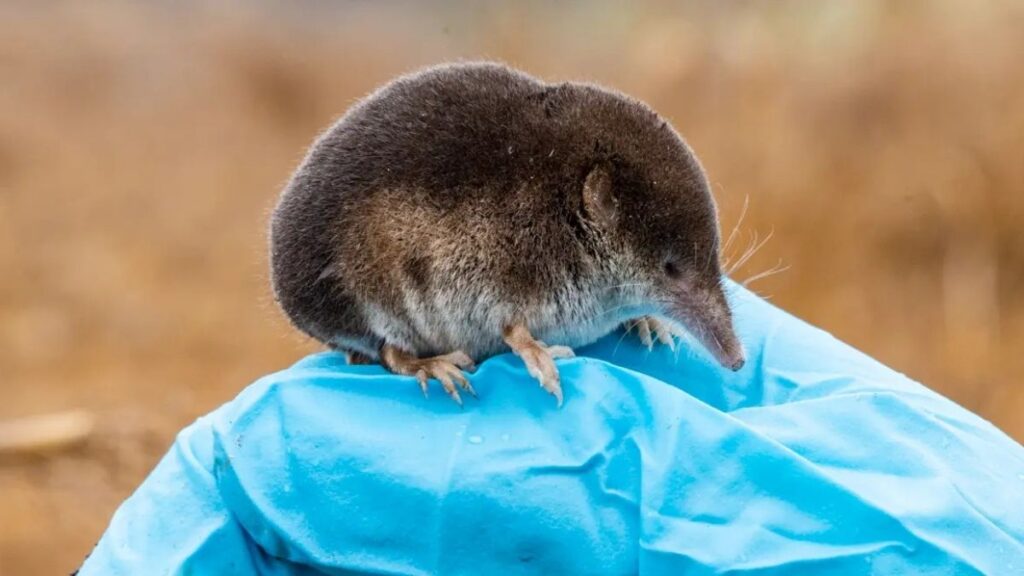
Introduction to the Common Shrew’s Unique Adaptation
In a remarkable display of survival adaptation, the common shrew (Sorex araneus) performs a biological feat that has intrigued scientists worldwide. As winter approaches, these small mammals shrink their brains by approximately 30 percent. This adaptation helps conserve energy during harsh, resource-scarce months.
However, what is even more astounding is that as spring arrives, the shrew regrows its brain to its original size. This process is a rare example of reversible size change in mammals, offering insights into brain plasticity and energy conservation strategies.
The Science Behind Brain Shrinkage
Scientists have studied the shrew’s brain shrinkage extensively. They have found that this process, known as Dehnel’s phenomenon, involves not only the brain but also other organs and bones. The shrew reduces its metabolic needs by shrinking organs, allowing it to survive on less food during the winter.
Moreover, this reduction affects cognitive functions. However, the shrew manages to balance its survival strategy without compromising its ability to function effectively in its environment. ScienceAlert provides detailed insights into this phenomenon.

Springtime Regrowth: A Miracle of Nature
In spring, the shrew’s brain begins to regrow. This process is as mysterious as the shrinkage itself. Researchers believe that hormonal changes triggered by environmental cues, such as temperature and daylight, play a significant role in this regrowth.
Furthermore, the regrowth restores the shrew’s cognitive abilities, enabling it to resume normal activities, such as foraging and mating. This seasonal transformation highlights the incredible resilience and adaptability of the common shrew.
Implications for Human Science
Understanding the mechanisms behind the shrew’s brain plasticity could have far-reaching implications for human science. For instance, it may offer insights into neurodegenerative diseases and potential brain injury treatments. Researchers are keen to explore how the shrew manages to maintain neural connections and cognitive functions despite such drastic changes.
Moreover, these findings could inform future studies on energy conservation strategies in other mammals, including humans, during periods of resource scarcity.
Future Research and Conservation Efforts
As climate change alters habitats and resource availability, understanding adaptive strategies like those of the shrew becomes increasingly important. Scientists aim to study the genetic and environmental factors contributing to this phenomenon further.
Additionally, conservationists emphasize the importance of preserving the shrew’s natural habitat. Maintaining biodiversity ensures that such unique adaptations continue to be part of our natural world. Wikipedia offers more background on the common shrew and its habitat requirements.
Conclusion: A Phenomenon Worthy of Attention
In conclusion, the common shrew’s ability to shrink and regrow its brain is a testament to nature’s ingenuity. This adaptation not only ensures the shrew’s survival but also opens new avenues for scientific research. As we uncover more about this fascinating process, we can better appreciate the complexity and resilience of life on Earth.
Researchers and conservationists must continue to collaborate to protect these extraordinary creatures and learn from their remarkable adaptations.
Source Attribution: Information sourced from ScienceAlert.
About The Author


