AI Revolutionizes Gene Editing: New Virus Targets Superbugs
2 min read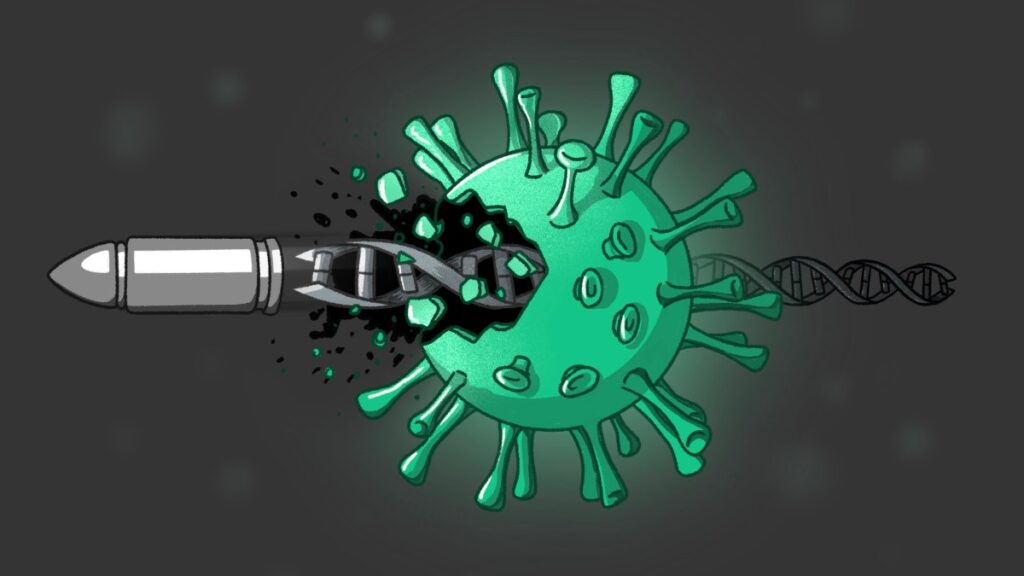
Breakthrough in Genetic Engineering
In a groundbreaking experiment, scientists have achieved a remarkable feat. They have written the genetic code of a virus capable of destroying antibiotic-resistant bacteria. This collaboration between molecular biologists and tech entrepreneurs marks a significant milestone in biotechnology.
For the first time, researchers have harnessed artificial intelligence to design a virus that can specifically target and eliminate killer bacteria. This development could pave the way for new treatments against superbugs, which pose a growing threat to global health.

The Role of Artificial Intelligence
Artificial intelligence played a crucial role in this scientific breakthrough. Researchers used AI algorithms to analyze and predict the genetic sequences needed to create the virus. As a result, they were able to design a virus with unprecedented precision.
The integration of AI in genetic engineering is not entirely new. However, this project showcases its potential to accelerate discoveries and enhance the accuracy of genetic modifications. According to experts, AI can significantly reduce the time required for biological research.
Implications for Healthcare
The ability to target antibiotic-resistant bacteria has immense implications for healthcare. Superbugs, which have developed resistance to conventional antibiotics, cause thousands of deaths every year. Therefore, the development of a virus to combat these bacteria could save countless lives.
Moreover, this technology could revolutionize the way we treat infections. Instead of relying solely on antibiotics, doctors could use genetically engineered viruses to target specific pathogens. This approach could minimize side effects and reduce the likelihood of resistance.
Ethical and Safety Considerations
Despite the potential benefits, the use of genetically engineered viruses raises ethical and safety concerns. Critics argue that the release of such viruses into the environment could have unintended consequences. Additionally, there is the risk of these viruses mutating and affecting non-target organisms.
To address these concerns, scientists emphasize the importance of rigorous testing and regulation. They propose implementing strict guidelines to ensure the safe development and application of this technology. Furthermore, ongoing monitoring will be essential to assess the long-term effects.

Future Prospects
The successful creation of a virus to combat superbugs is just the beginning. Researchers believe that AI-driven genetic engineering could lead to numerous innovations in medicine, agriculture, and environmental science. The possibilities are vast and could transform many industries.
In conclusion, this breakthrough represents a significant step forward in our understanding and manipulation of genetic material. The collaboration between molecular biologists and AI experts highlights the power of interdisciplinary research. As technology continues to advance, the potential for creating new life forms and solving global challenges seems limitless.
For further details on this study, visit the original article on The Times website.
Source Attribution: The Times, published January 24, 2026.
About The Author


