DNA Analysis Unlocks Secrets of Beachy Head Woman
3 min read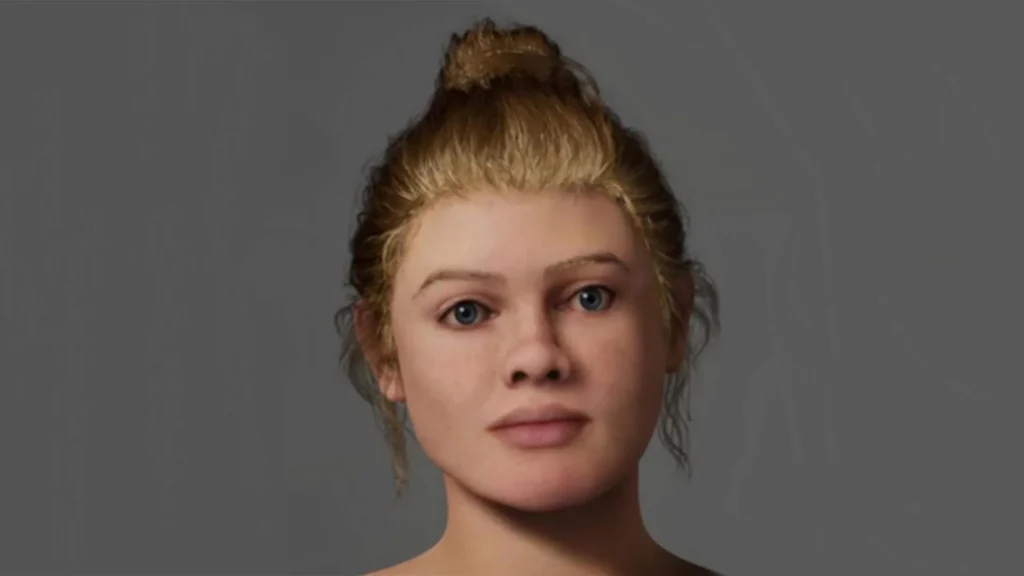
Introduction: A Long-Standing Mystery Solved
For over a decade, the identity of the Beachy Head Woman, a Roman-era skeleton discovered in southern England, has intrigued scientists and historians alike. Recent DNA analysis has finally begun to unravel her origins, offering new insights into her story. Previously, experts speculated she had roots in sub-Saharan Africa or the Mediterranean. However, new findings suggest a different tale.
Researchers employed cutting-edge DNA sequencing to analyze the skeletal remains. Their work has reshaped previous theories and provided a clearer picture of her ancestry and lifestyle. Science Daily provides an in-depth look into these groundbreaking revelations.

The DNA Analysis Process
Experts from the University of Oxford led the DNA analysis. They extracted genetic material from the skeleton’s teeth, which preserved DNA remarkably well over the centuries. Additionally, advanced technology allowed them to sequence the genome with unprecedented accuracy. The results revealed that the Beachy Head Woman had ancestry linked to North Africa, contradicting earlier theories suggesting sub-Saharan origins.
Moreover, this analysis sheds light on the migration patterns of ancient populations. It highlights the diverse genetic makeup of Roman-era Britain. This discovery aligns with other recent studies that emphasize the multicultural nature of ancient Britain. Roman Britain was a melting pot of diverse cultures and ethnicities.

Historical Context and Significance
The Beachy Head Woman’s story offers a glimpse into the broader historical context of Roman-era Britain. During this period, the Roman Empire facilitated extensive trade and cultural exchange across Europe, North Africa, and the Middle East. Consequently, people from various regions migrated and settled in Britain.
Her North African ancestry suggests she may have been part of a Roman trading network. Alternatively, she could have been a descendant of migrants who settled in the region generations earlier. The discovery of her remains at Beachy Head, a strategic coastal location, further supports the idea of her involvement in trade or migration.
Implications for Modern Understanding
The findings from the Beachy Head Woman’s DNA analysis have significant implications. They challenge existing narratives about the population dynamics of ancient Britain. Furthermore, they contribute to ongoing discussions about identity and migration in historical contexts.
Experts believe that these discoveries will prompt further research into other ancient remains. By doing so, they aim to build a more comprehensive picture of Britain’s diverse past. Moreover, this case highlights the importance of interdisciplinary approaches, combining archaeology, genetics, and history to unlock the past’s secrets.
Conclusion: The Future of Archaeogenetics
In conclusion, the Beachy Head Woman’s story is a testament to the power of modern science in rewriting history. As techniques in archaeogenetics continue to evolve, researchers anticipate more revelations about the complex tapestry of human ancestry. This case underscores the importance of integrating scientific advancements with historical inquiry.
Looking ahead, scientists remain optimistic about uncovering further insights into ancient populations. Such studies not only enhance our understanding of the past but also inform contemporary discussions about migration and cultural diversity.
For more detailed information, refer to the original Science Daily article.
Source: Science Daily, University of Oxford
About The Author


