NTSB Urges Safety Changes After Midair Collision Near DC
2 min read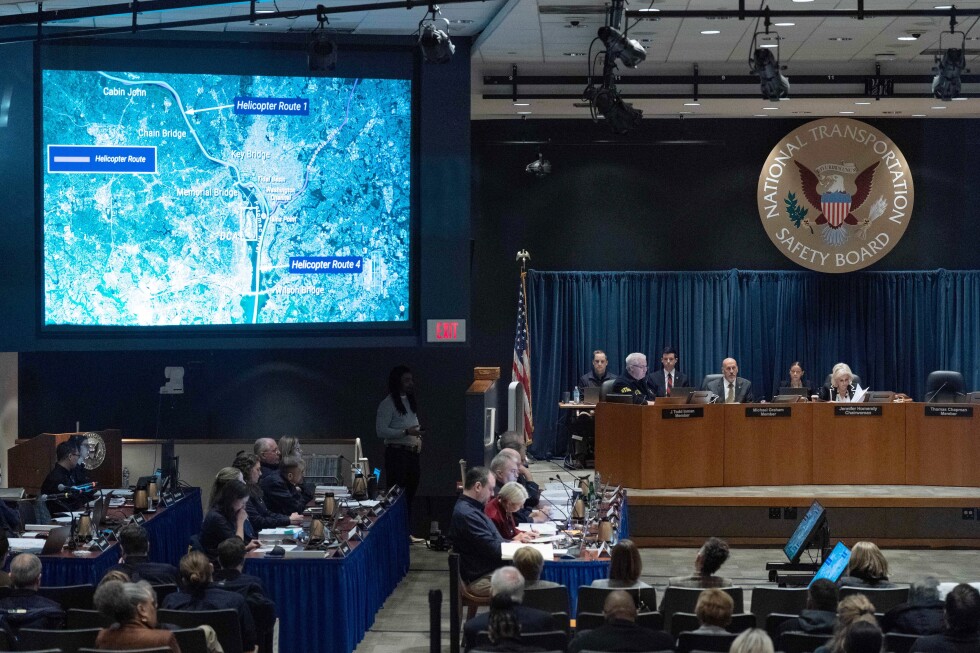
Introduction
The National Transportation Safety Board (NTSB) has highlighted significant safety concerns following a tragic midair collision near Washington, D.C., that resulted in 67 fatalities. The incident, which occurred a year ago, involved a helicopter and an aircraft operating near Reagan National Airport. The NTSB plans to recommend crucial safety actions to prevent similar occurrences in the future.
Background of the Incident
The collision took place near a secondary runway at Reagan National Airport. Authorities identified the proximity of helicopter routes to the airport’s runway as a key factor in the disaster. This issue had been the subject of ignored warnings for years, according to the NTSB.
NTSB’s Findings and Recommendations
During a recent hearing, NTSB members expressed deep concern over the longstanding traffic risks for helicopters in the area. They emphasized that previous warnings about these dangers had not been adequately addressed by aviation authorities. Consequently, the board now urges immediate changes to air traffic management near the airport.
As a result, the NTSB is expected to propose re-routing helicopter paths away from busy commercial air traffic zones. Furthermore, they are likely to recommend enhanced communication protocols between different air traffic control units to ensure better coordination.
Impact on Aviation Policy
The implications of this incident extend beyond Washington, D.C. The recommendations could lead to widespread changes in helicopter and aircraft flight operations across the United States. Industry experts believe such measures are necessary to improve safety standards.
Responses from Key Stakeholders
The Federal Aviation Administration (FAA) has pledged to review the NTSB’s findings thoroughly. They aim to collaborate with local aviation authorities to implement the recommended changes. Additionally, several aviation advocacy groups have welcomed the NTSB’s proactive approach. They argue that increased safety measures are long overdue.
Moreover, lawmakers have expressed support for the NTSB’s efforts. Many see this as an opportunity to enhance the nation’s air traffic safety framework.

Future Implications
In conclusion, the NTSB’s upcoming recommendations could mark a significant turning point in aviation safety management. If implemented, these changes may prevent future tragedies and reinforce public confidence in air travel safety. As the aviation industry evolves, continuous assessment and adaptation of safety protocols remain crucial.
The NTSB’s actions underscore the importance of addressing safety concerns promptly. Their report serves as a reminder of the potential consequences of negligence in aviation oversight.
Read the original AP report for more details.
Source Attribution
Information verified and sourced from the Associated Press. Original article published on January 27, 2026. Access the full article here.
About The Author