Ancient Species Discovered in Chinese Quarry Stun Scientists
3 min read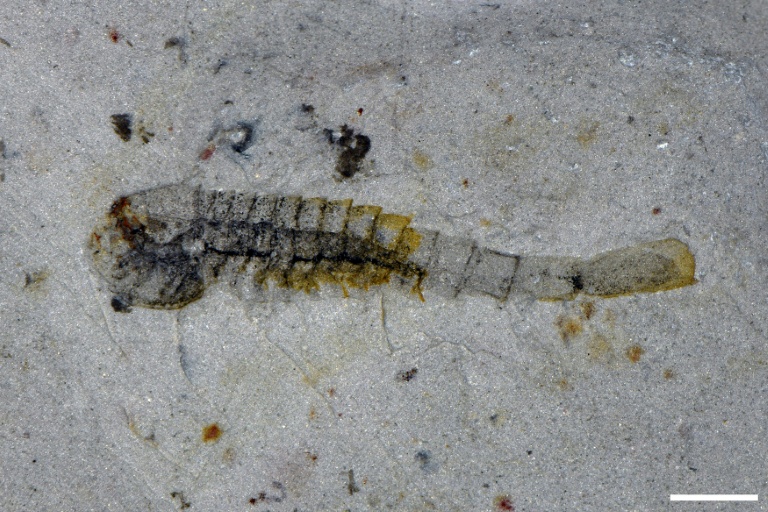
Scientists have uncovered an extraordinary collection of nearly 100 new animal species in a small quarry in China. The fossils date back over half a billion years and survived a mass extinction event. This significant find, announced on Wednesday, offers a rare glimpse into the prehistoric world, enriching our understanding of ancient biodiversity.
The fossils, found in the Guizhou Province of southwestern China, reveal species that endured the Cambrian mass extinction event. This catastrophic event, occurring approximately 513 million years ago, saw nearly half of all animal species perish. The newly discovered fossils, however, indicate a surprisingly resilient ecosystem that survived and thrived in the aftermath.
Unveiling the Fossil Treasure Trove
Researchers from the Nanjing Institute of Geology and Palaeontology led the excavation. According to the team, the site has preserved a remarkable array of soft-bodied creatures. These include ancient arthropods, worms, and early vertebrates. Soft tissue preservation is rare, making this discovery particularly valuable for scientific study.
Dr. Jian Han, lead researcher, stated, “This site provides unparalleled insight into the resilience and adaptability of life forms following a mass extinction.” The fossils illuminate how life forms diversified and adapted in the early Cambrian period.
The Cambrian Explosion and Its Aftermath
The Cambrian Explosion marked a pivotal period in Earth’s history, characterized by rapid evolutionary diversification. However, it ended abruptly with a mass extinction. This event reshaped life on Earth, leading to the emergence of new species. The fossils found in this quarry offer a snapshot of life after this major extinction event.
According to a Scientific American article, the Cambrian Explosion is often referred to as biology’s “Big Bang” due to the sudden appearance of complex organisms. The newly discovered fossils provide evidence of how certain species managed to survive and evolve.
Implications for Modern Science
These findings have significant implications for understanding evolutionary biology. The resilience demonstrated by these species may offer clues about how organisms adapt to environmental changes today. Moreover, studying these fossils helps scientists predict how current species might respond to modern ecological shifts.
Furthermore, this discovery emphasizes the importance of paleontological research in understanding climate change impacts. By examining past extinctions and survivals, scientists can better understand potential future scenarios for Earth’s biodiversity.
Future Research and Exploration
The excavation site continues to hold potential for further discoveries. Researchers plan to expand their search area, hoping to uncover more fossils and gain additional insights into the post-extinction ecosystem. Dr. Han’s team aims to publish their findings in a forthcoming issue of Nature.
For further reading, visit the original article on Yahoo and explore more about the Cambrian period on Wikipedia.
Conclusion
In conclusion, the discovery of these ancient species in China offers a window into a world long lost. The fossils reveal the resilience of life and the intricate dance of survival and adaptation. As researchers continue to study these remnants, they enhance our understanding of life’s history and its potential future.
Source Attribution: This article is based on a report from Yahoo and verified by their sources. For more information, visit Yahoo News.
About The Author


