Judge Halts Refugee Detention by Trump Officials in Minnesota
3 min read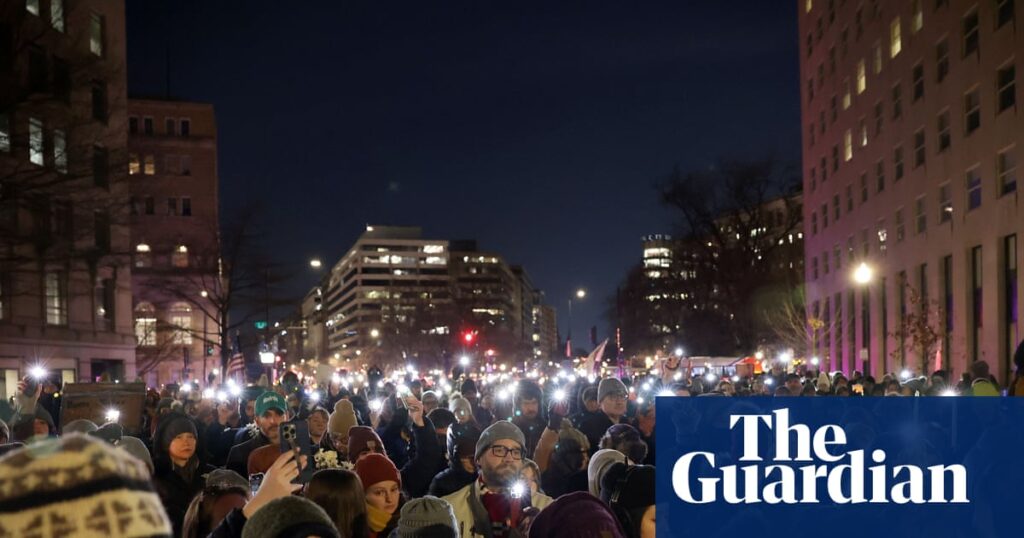
Federal Judge Blocks Refugee Detentions
A federal judge has halted the Trump administration’s efforts to detain refugees in Minnesota. This decision follows a controversial operation by the Department of Homeland Security (DHS). The operation involved the arrest of more than 100 refugees who had been lawfully resettled in the state. The Guardian reported on the ruling, which has significant implications for refugee policy in the United States.
Judge Mary Little presided over the case. She issued an injunction against further arrests under what DHS termed a ‘re-vetting’ initiative. This initiative aimed to reassess the backgrounds of refugees already granted asylum. The judge’s ruling emphasizes the importance of due process and legal protections for refugees.
Impact on Refugee Communities
Refugee communities in Minnesota have expressed relief and gratitude following the ruling. Many feared the arrests would lead to deportations and separations from families. The state’s legal and humanitarian organizations have been vocal opponents of the DHS initiative, arguing it violates both federal and international law. U.S. Citizenship and Immigration Services outlines the legal process for asylum seekers, which advocates say should protect refugees from such actions.
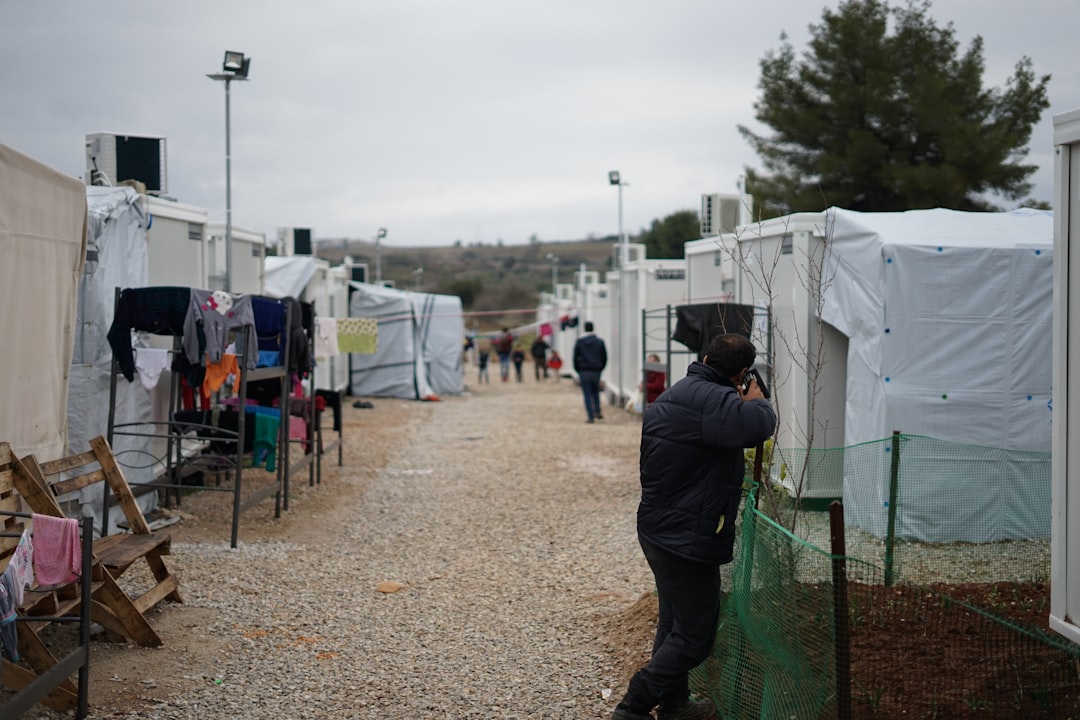
The Twin Cities, known for their large refugee populations, have been at the center of this legal battle. Organizations like the International Organization for Migration have been involved in supporting affected individuals, providing legal assistance and community support.
Legal and Political Reactions
Legal experts argue that the ruling could set a significant precedent. It may limit the federal government’s ability to enact similar operations in other states. Furthermore, the decision has sparked heated political debate. Supporters of the Trump administration’s policies argue that the re-vetting process is essential for national security. However, critics contend that it unfairly targets vulnerable populations.
Senator Amy Klobuchar of Minnesota praised the judge’s decision, stating, “This ruling is a victory for justice and human rights.” On the other hand, DHS officials have expressed disappointment, stating they will review their legal options. They argue that the operation was necessary to ensure the integrity of the refugee program.
Background on Refugee Policies
The Trump administration has been known for its stringent immigration policies. These policies have often faced legal challenges. Since taking office, former President Trump implemented various measures aimed at reducing illegal immigration and enhancing vetting processes for immigrants and refugees. Wikipedia provides a comprehensive overview of these policies.
In 2017, the administration introduced a travel ban affecting several predominantly Muslim countries. This ban was met with widespread protests and legal battles. The current situation in Minnesota highlights ongoing tensions between federal immigration enforcement and state-level responses.
Future Implications
The judge’s ruling could have lasting effects on U.S. refugee policy. It underscores the delicate balance between national security and humanitarian obligations. Additionally, the decision may influence future administrations’ approaches to refugee and immigration issues.
Furthermore, this case could inspire similar legal challenges in other states. Advocates hope it will lead to more comprehensive reviews of immigration policies, ensuring protection for those who have already been granted asylum.

In conclusion, the stoppage of refugee detentions in Minnesota marks a significant legal and humanitarian development. It brings to light the ongoing struggle to balance security concerns with the rights and protections of refugees in the United States.
Source Attribution: Information verified from The Guardian and other reputable sources.
About The Author


