Australia Discovers World’s Largest Dinosaur Footprints
3 min read
Massive Dinosaur Footprints Unveiled in Australia
Researchers in Australia have unveiled an astonishing discovery of the world’s largest dinosaur footprints. These colossal footprints, dating back 130 million years, are so vast that an adult could comfortably curl up inside one. The discovery, made in a remote area of Western Australia, provides significant insights into the prehistoric era and the giants that once roamed the Earth.
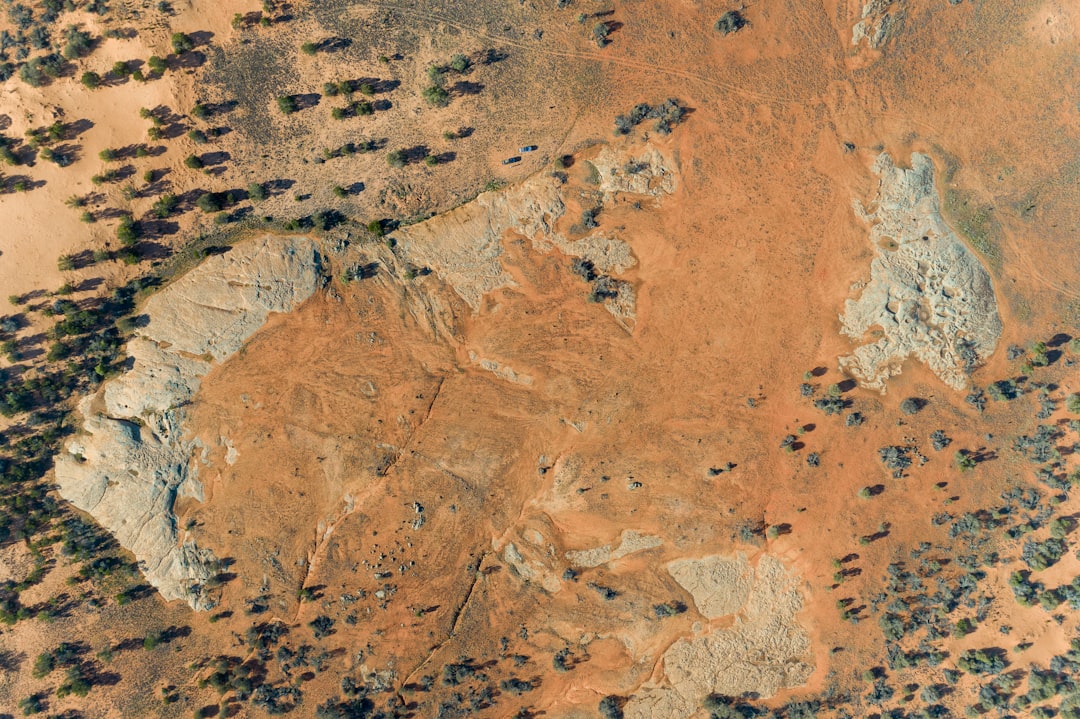
Details of the Discovery
The footprints were found in the Dampier Peninsula, an area renowned for its rich prehistoric heritage. The footprints belong to sauropods, a group of long-necked dinosaurs that were among the largest creatures to ever walk the planet. The Times of India reported that these footprints measure up to 1.7 meters in length, dwarfing previously discovered tracks.
Significance of the Findings
Dr. Steve Salisbury, a paleontologist from the University of Queensland, emphasized the importance of this discovery. “These footprints provide a snapshot of life during the Early Cretaceous period,” he explained. The size and preservation of the tracks offer insights into the behavior and movement patterns of these ancient giants. Sauropods were known for their massive sizes and long necks, which allowed them to graze on tree tops.
Implications for Paleontology
Furthermore, the discovery could reshape our understanding of dinosaur distribution. Previously, many believed that such large dinosaurs were not prevalent in this region. However, these footprints suggest otherwise, indicating that this area was once a thriving habitat for these creatures. Consequently, scientists may need to re-evaluate theories about dinosaur migration and habitat preferences.

Challenges in Preservation
Preserving these tracks poses a significant challenge. The footprints are located in a tidal zone, which exposes them to erosion and weathering. Conservationists are working to document and preserve the site using 3D mapping technology. This will ensure the footprints remain a valuable resource for future research.
Future Research Opportunities
As a result of this discovery, researchers are planning further excavations in the area. They hope to uncover more tracks and fossils that could provide additional context about the region’s prehistoric environment. Additionally, this site has the potential to become a major tourist attraction, drawing visitors interested in the natural history of the area.
Overall, the discovery of these giant footprints represents a significant milestone in paleontology. It offers a unique glimpse into the lives of some of the largest creatures to ever exist. By studying these tracks, scientists can continue to piece together the puzzle of Earth’s ancient past.
Conclusion
In conclusion, the discovery of the world’s largest dinosaur footprints in Australia opens new avenues for research and tourism. It challenges previous notions about dinosaur habitats and highlights the need for preservation efforts. As scientists delve deeper into this site, they will likely uncover more secrets of the ancient world.
For further reading, visit the official Times of India article and learn more about the history of dinosaurs.
Source Attribution
This article is based on information from The Times of India.
About The Author


