Missing Des Moines Man with Alzheimer’s Found Safe
3 min read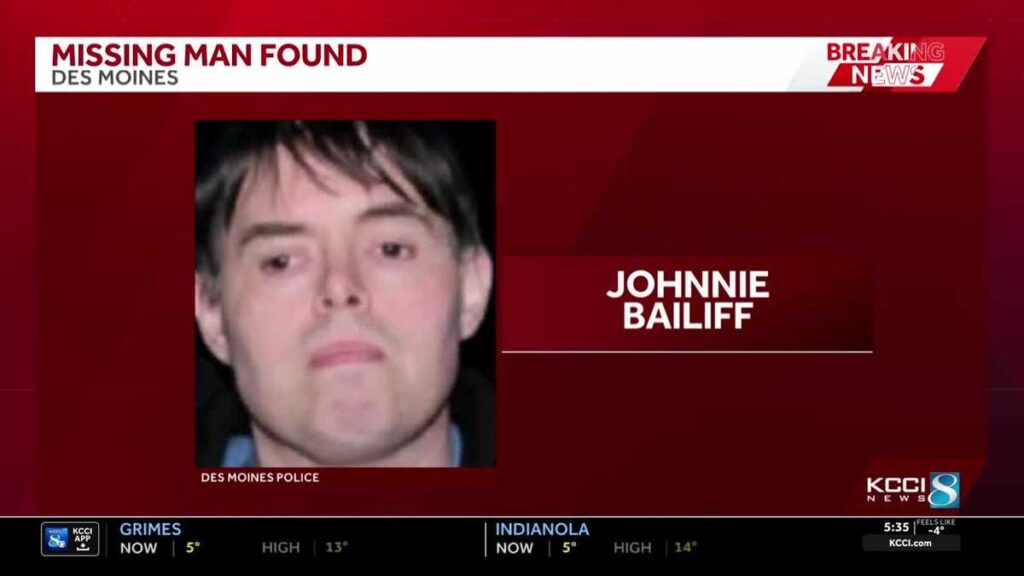
Reuniting with Family: A Community Effort
Johnnie Bailiff, a 58-year-old resident of Des Moines, who went missing on Thursday evening, has been safely found and reunited with his family. Authorities reported that Bailiff, who has Alzheimer’s disease, was reported missing shortly after 6:30 p.m. on Thursday. In response, Des Moines police requested the public’s assistance in locating him. Fortunately, the search ended successfully early Friday morning.
Alzheimer’s disease often leads to disorientation and confusion, making timely intervention crucial. Consequently, the community’s swift response played a significant role in ensuring Bailiff’s safety. KCCI provided live updates as the situation unfolded.
Understanding Alzheimer’s and Its Impact
Alzheimer’s disease is a progressive neurological disorder that affects memory, thinking, and behavior. According to the Alzheimer’s Association, it is the most common cause of dementia among older adults. In Bailiff’s case, his condition likely contributed to his disorientation. This incident highlights the challenges faced by individuals with Alzheimer’s and their families.
The Role of Community and Technology
In situations like these, community involvement and technology are invaluable. The Des Moines police department utilized social media and local news outlets to spread the word swiftly. Meanwhile, citizens remained vigilant and reported sightings, which helped in locating Bailiff.

Moreover, advancements in technology, such as GPS tracking devices and mobile alerts, can assist in locating missing individuals with cognitive impairments. These tools, combined with community efforts, create a comprehensive safety net for vulnerable individuals.
The Emotional Toll and Support Systems
The emotional impact of such incidents on families is profound. Loved ones experience intense worry and fear during the absence of a family member with Alzheimer’s. Fortunately, support systems, including local Alzheimer’s support groups, offer resources and guidance during these challenging times.
For instance, the Des Moines Alzheimer’s Support Group provides a platform for families to share experiences and coping strategies. These groups emphasize the importance of community and collective support.
Future Implications for Safety Measures
As the population ages, the prevalence of Alzheimer’s and similar conditions is expected to rise. Consequently, there is a growing need for enhanced safety measures and public awareness campaigns. Local governments and health organizations must collaborate to develop strategies that protect vulnerable individuals.
Programs that educate communities about the signs of Alzheimer’s and how to assist those affected can be instrumental. Additionally, increasing access to tracking technologies and encouraging their use could prevent future incidents.

Overall, this incident serves as a reminder of the importance of community vigilance and the need for comprehensive safety protocols for individuals with Alzheimer’s disease.
Conclusion: A Call to Action
In conclusion, Johnnie Bailiff’s safe return highlights the power of community action and the importance of support systems for those affected by Alzheimer’s. As the number of individuals living with Alzheimer’s continues to grow, society must prioritize their safety and well-being. By fostering awareness and implementing advanced safety measures, communities can ensure that incidents like this have positive outcomes.
Finally, families and caregivers are encouraged to seek support and resources to navigate the complexities of Alzheimer’s care. The collaborative efforts of law enforcement, community members, and health organizations will continue to be pivotal in safeguarding the most vulnerable members of society.
For more details on this story, visit the original article on KCCI.
Source Attribution: Information verified by KCCI, published on January 30, 2026.
About The Author