AG Ellison Refutes ICE Agreement Claim by Border Czar Homan
3 min read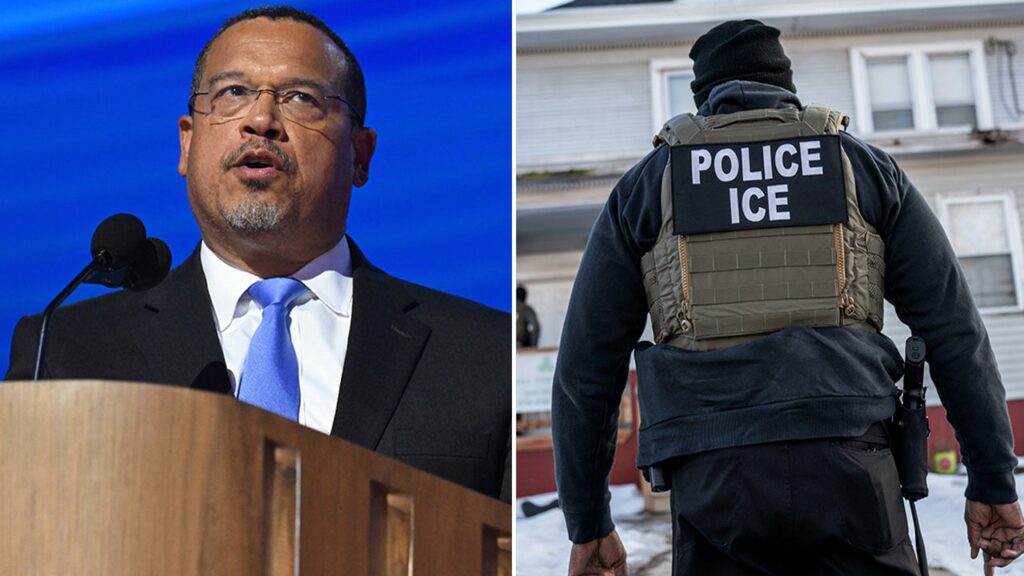
Controversy Over Alleged ICE Agreement
Minnesota Attorney General Keith Ellison firmly denied claims made by U.S. border czar Tom Homan concerning a supposed new cooperation agreement between Immigration and Customs Enforcement (ICE) and county jails in Minnesota. Ellison emphasized that no such agreement exists, contradicting Homan’s assertions. This public refutation has sparked a wider debate on immigration enforcement policies at the state level.
Homan, a former acting director of ICE, had recently stated that Minnesota county jails would start notifying ICE about inmates’ immigration status. However, Ellison quickly countered this claim, stating unequivocally that no such policy change had been implemented or agreed upon by his office.
Background on ICE and Local Law Enforcement Cooperation
ICE has long sought cooperation from local law enforcement agencies to identify and detain undocumented immigrants. This collaboration often involves notifying ICE when an undocumented individual is in custody. Such agreements have been controversial, with opponents arguing that they undermine community trust in local policing.
In Minnesota, the debate over ICE collaboration has been particularly heated. The state has a significant immigrant population, and community leaders frequently advocate for policies that protect immigrant rights. For more context on ICE’s operations, visit the official ICE website.
Reactions from Local Communities and Officials
The alleged agreement has drawn reactions from various stakeholders. Local immigrant advocacy groups expressed relief at Ellison’s denial. They had feared increased ICE cooperation could lead to more deportations and family separations.
However, some law enforcement officials and policymakers argue that collaboration with ICE is necessary for public safety. They claim it helps remove dangerous individuals from communities. This ongoing tension underscores the complex balance between federal immigration enforcement and local jurisdictional autonomy.

Analysis of Political Implications
The dispute between Ellison and Homan could have broader political implications. Immigration remains a polarizing issue in the United States, influencing both local and national elections. In Minnesota, a state known for its progressive stance, such disagreements may impact voter sentiment and policy-making.
Furthermore, this situation highlights the challenges faced by state officials in navigating federal immigration directives while addressing local concerns. The outcome may influence how other states approach cooperation with ICE in the future.
Future Outlook and Recommendations
Looking ahead, it remains crucial for state and federal entities to clearly communicate and establish transparent policies regarding immigration enforcement. Such clarity would help mitigate confusion and foster trust among communities.
Moreover, as the 2026 elections approach, immigration policy will likely remain a key issue. Policymakers are urged to consider the diverse perspectives within their constituencies, ensuring that policies align with both public safety and human rights considerations.
For further details on this story, visit the original report by Fox News.
Conclusion
In conclusion, the controversy surrounding the alleged ICE agreement in Minnesota highlights the ongoing complexities of immigration policy. As state and federal entities continue to navigate these waters, the need for clear and cooperative strategies remains paramount. This incident serves as a reminder of the delicate balance between enforcing immigration laws and respecting the rights of all community members.
Source Attribution: Information sourced from Fox News and official statements from the Minnesota Attorney General’s office.
About The Author


