Discover Earth’s Longest Tentacled Creatures
3 min read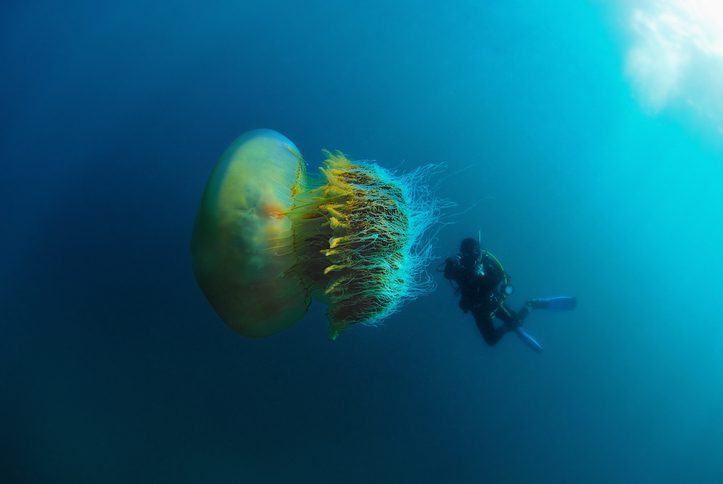
Introduction to the World’s Longest Tentacles
In the vast expanse of the ocean depths, mysterious and fascinating creatures reside. Among these, some possess the longest tentacles known to science, stretching up to 30 meters. These tentacles often exceed the length of a bus, capturing the imagination of marine biologists and enthusiasts alike.
When people think of tentacles, marine animals like octopuses and squids often come to mind. However, a lesser-known creature, the lion’s mane jellyfish, holds the record for the longest tentacles. This jellyfish demonstrates the incredible diversity and adaptability of marine life.
Lion’s Mane Jellyfish: The Giant of the Sea
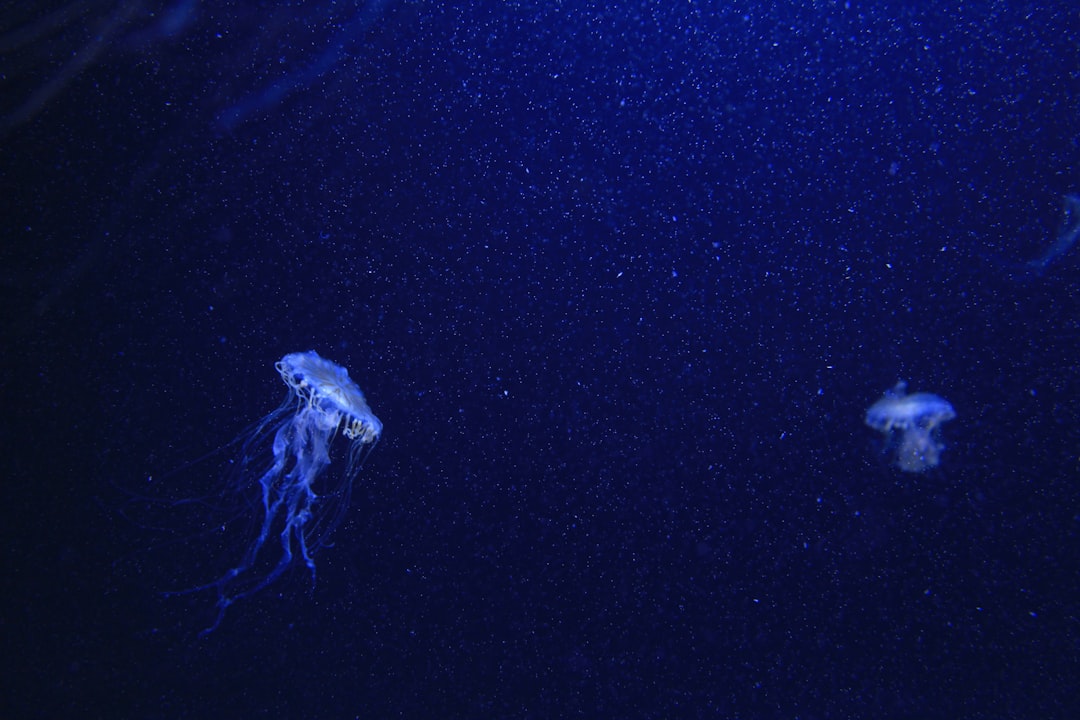
The lion’s mane jellyfish, scientifically known as Cyanea capillata, is the largest known species of jellyfish. Found primarily in the cold waters of the Arctic and northern Atlantic oceans, these jellyfish can reach diameters of up to 2.5 meters. Their tentacles, however, are their most striking feature, sometimes extending up to 30 meters in length. BBC Wildlife Magazine highlights the extraordinary size of these tentacles, which help the jellyfish capture prey over a wide area.
Due to their size and length, the tentacles can pose a danger to swimmers. The tentacles contain nematocysts, which are specialized cells that deliver stings to potential threats or prey. This defense mechanism is both a survival tool and a hunting aid.
Marine Ecosystem Impact
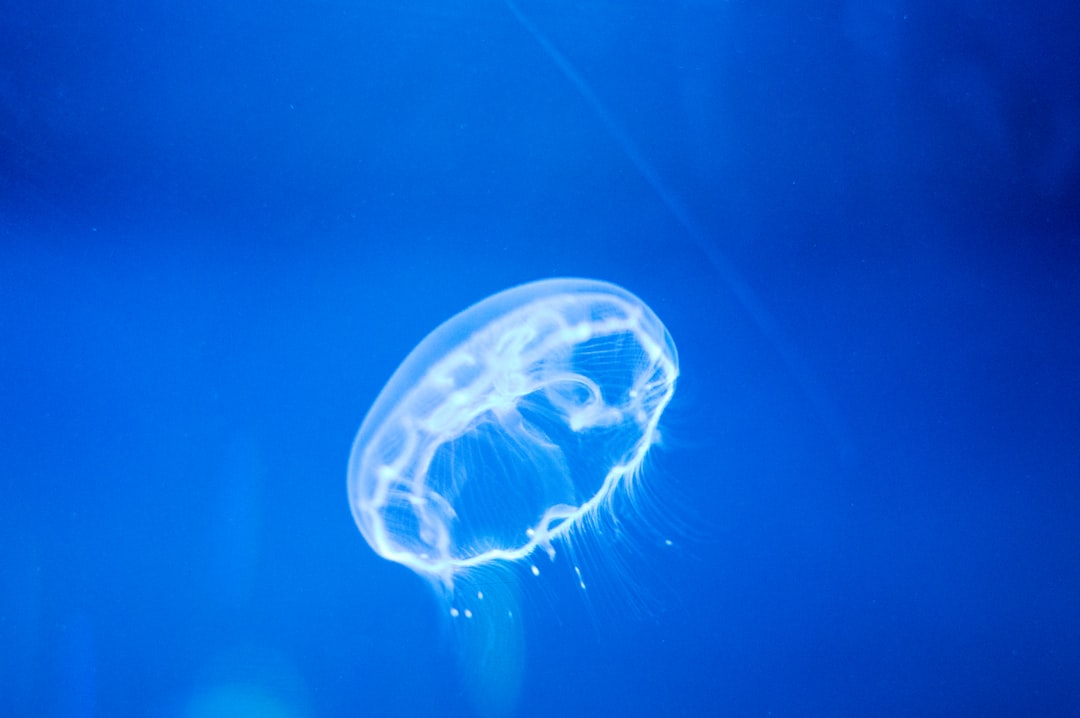
Furthermore, the lion’s mane jellyfish plays a crucial role in the marine ecosystem. As both predator and prey, it helps maintain the balance of oceanic food webs. The jellyfish feeds on small fish and plankton, using its long tentacles to ensnare them. In turn, larger marine animals feed on the jellyfish.
Moreover, this species provides shelter for certain small fish and invertebrates, who find refuge among its tentacles. This symbiotic relationship underscores the interconnectedness of marine life and the importance of preserving ocean habitats.
Other Tentacled Creatures
While the lion’s mane jellyfish holds the record for tentacle length, it is not the only creature with remarkable tentacles. For instance, the giant Pacific octopus and the colossal squid are also renowned for their tentacles. These species use their tentacles primarily for hunting and locomotion, showcasing the diverse functionalities of tentacular appendages.
Additionally, terrestrial creatures like the star-nosed mole and certain gastropods, such as snails and slugs, possess tentacles of a different kind. These animals use their tentacles for sensory perception rather than capturing prey.
To learn more about tentacled creatures, explore this Wikipedia article on tentacles in the animal kingdom.
Conclusion: The Future of Marine Research
The study of tentacled creatures like the lion’s mane jellyfish continues to intrigue scientists. Their unique adaptations provide insights into marine biology and ecology. Furthermore, understanding these creatures can aid in marine conservation efforts, ensuring the health of our oceans for future generations.
In conclusion, tentacles serve as a testament to the wonders of evolution. As researchers delve deeper into the ocean’s mysteries, they uncover more about the delicate balance of marine ecosystems. The lion’s mane jellyfish, with its record-breaking tentacles, stands as a symbol of the ocean’s vast and untamed beauty.
For further information on marine life and conservation, visit the NOAA Ocean Exploration website.
Source Attribution: Information verified by BBC Wildlife Magazine
About The Author


