Asian Markets Dip Amid Wall Street Volatility
2 min read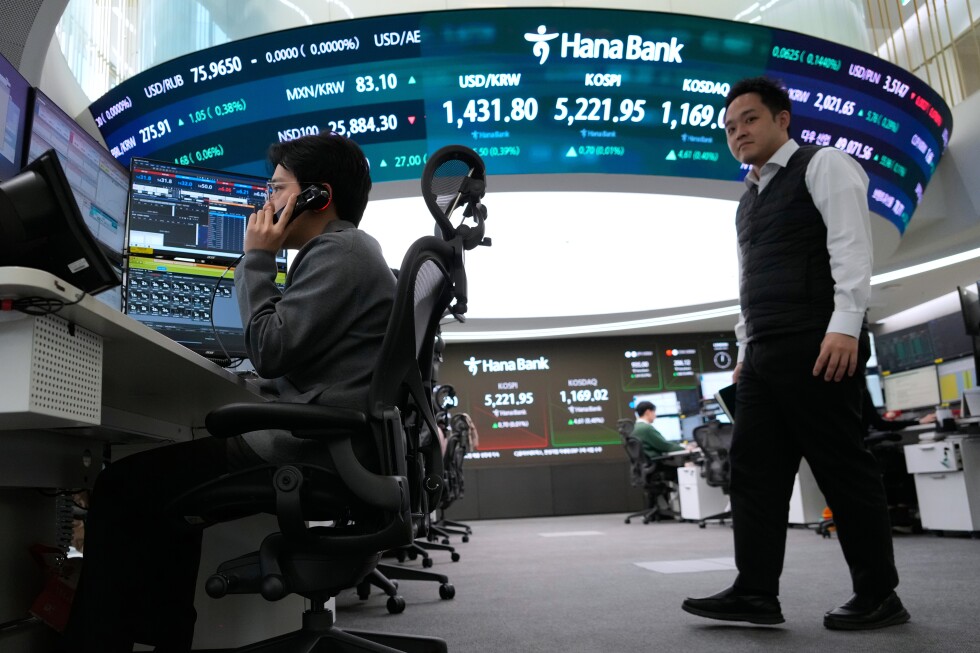
Asian shares experienced a downward trend on Friday, reacting to a day of significant fluctuations on Wall Street. The volatility included Microsoft’s most substantial decline in nearly six years. The Associated Press reported that oil prices fell over $1, while gold and silver prices weakened.
Wall Street’s Impact on Asian Markets
Wall Street’s dramatic session left traders in Asia cautious. Microsoft, a tech giant, saw its shares plummet, marking its worst performance in years. Consequently, this spurred uncertainty in Asian markets. Furthermore, the tech sector remains a critical component of these markets, amplifying the ripple effect.
Asian investors often look to Wall Street as a bellwether. Therefore, such volatility can lead to hesitancy and selling pressure. Volatility in major U.S. indices tends to influence global market sentiment.
Commodity Prices Decline
In addition to stock market fluctuations, commodity prices also fell. Oil prices dropped more than $1, reflecting concerns about global demand. This decline came despite recent efforts by OPEC to stabilize prices. OPEC continues to monitor the situation closely.
Meanwhile, gold and silver prices weakened, suggesting reduced investor appetite for safe-haven assets. In times of uncertainty, commodities often provide a security blanket for investors. However, the current market dynamics challenge this notion.
Microsoft’s Struggles
The tech sector, particularly Microsoft, faced significant challenges. The company reported lower-than-expected earnings, which led to a sharp decline in its stock price. This news not only impacted U.S. markets but also resonated globally.
Microsoft’s performance is pivotal. It often represents broader tech sector trends. Consequently, its struggles can signal potential issues or corrections in technology stocks worldwide. Microsoft’s official website provides further details on their financial results.

Global Economic Implications
Market analysts emphasize the broader implications of these movements. Significant swings in major indices can indicate underlying economic concerns. For instance, inflation fears and interest rate hikes have been persistent themes.
Moreover, geopolitical tensions and trade policies continue to influence market confidence. Investors remain wary of potential disruptions. The International Monetary Fund provides regular updates on global economic conditions, which are crucial for understanding these trends.
Conclusion and Future Outlook
In conclusion, the recent market volatility serves as a reminder of the interconnectedness of global markets. Asian shares responding to Wall Street’s turbulence highlights this relationship. It underscores the importance of monitoring international developments closely.
Moving forward, investors will likely pay attention to upcoming economic data releases and corporate earnings reports. These elements could provide further insights into market directions. Overall, maintaining a diversified portfolio and staying informed remain key strategies for navigating such uncertain times.
Source Attribution: Original information verified from the Associated Press.
About The Author