2007 Epstein Indictment Reveals Allegations Against Over Twelve Girls
3 min read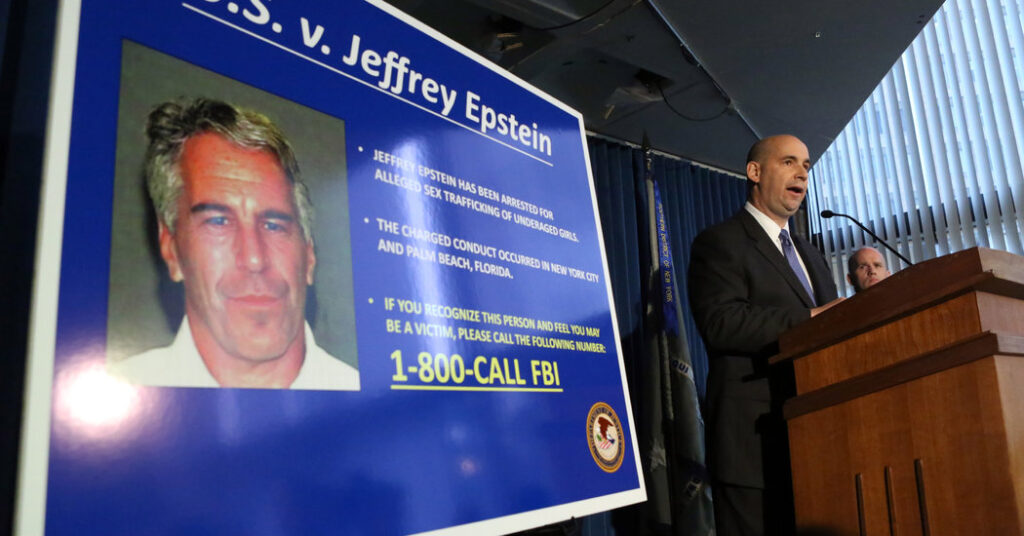
The 2007 draft indictment against Jeffrey Epstein unveiled a chilling series of accusations, outlining sex crimes he allegedly committed against more than a dozen teenage girls. Federal prosecutors prepared this document, which detailed a six-year span of alleged criminal activities by Epstein. The indictment claimed he threatened one victim, a 16-year-old girl, warning that bad things could happen if she spoke out about the abuse.
Details of the Draft Indictment
Federal prosecutors compiled the draft indictment in 2007, focusing on allegations of sex crimes. It accused Epstein of exploiting young girls, often in vulnerable situations, across several years. The document highlighted instances where Epstein allegedly coerced victims into silence through intimidation tactics. For example, he reportedly threatened a teenager with unspecified consequences if she reported the crimes.

Despite the gravity of these allegations, Epstein eventually negotiated a plea deal involving a much lesser state charge. This agreement allowed him to plead guilty to solicitation, significantly reducing his potential prison time. The plea deal has since faced severe criticism for its leniency and lack of transparency. Read the full report at The New York Times.
The Controversial Plea Deal
The plea agreement struck between Epstein and federal prosecutors in 2008 has been a focal point of public outrage. Many argue that the deal, which allowed Epstein to serve only 13 months in county jail with work release, failed to deliver justice for the victims. Moreover, it concealed the full extent of Epstein’s crimes and his powerful connections.
Critics, including legal experts, have pointed out that the agreement was crafted without notifying the victims, a violation of the Crime Victims’ Rights Act. Consequently, this oversight sparked legal battles and demands for accountability among those involved in the plea negotiations.

Background on Jeffrey Epstein’s Case
Jeffrey Epstein, a financier with deep ties to influential figures, faced numerous allegations over the years. His arrest in 2019 reignited public interest in his past and the victims’ stories. Epstein’s connections to prominent individuals in politics, business, and entertainment added complexity to his case. Learn more about Jeffrey Epstein’s background on Wikipedia.
Epstein’s 2019 arrest led to new charges of sex trafficking. However, he died in jail under suspicious circumstances before he could stand trial. His death was ruled a suicide, but it fueled widespread conspiracy theories about the true nature of his death.
Legal and Social Implications
The Epstein case has had significant legal and social implications. It exposed flaws in the justice system, notably in how wealthy individuals can influence legal outcomes. Additionally, the case highlighted the importance of victim advocacy and the need for systemic changes to protect vulnerable individuals.
Subsequently, lawmakers and activists have called for reforms to prevent similar plea deals in the future. They emphasize the necessity for greater transparency and accountability in legal proceedings, especially in cases involving powerful defendants.
Conclusion and Future Outlook
In conclusion, the 2007 draft indictment against Jeffrey Epstein serves as a stark reminder of the alleged injustices faced by his victims. It underscores the need for continued vigilance and reform in the criminal justice system. As more information surfaces, the public and legal community remain focused on ensuring that such cases receive the scrutiny and justice they deserve.
Overall, the Epstein case has prompted a broader discussion about accountability and the mechanisms in place to protect victims of sex crimes. Future legal actions and investigations may continue to shed light on the intricacies of Epstein’s network and the systemic changes necessary to prevent similar cases.
Source: Information derived from The New York Times
About The Author