Flu Season Sees Record Highs in US Doctor Visits
3 min read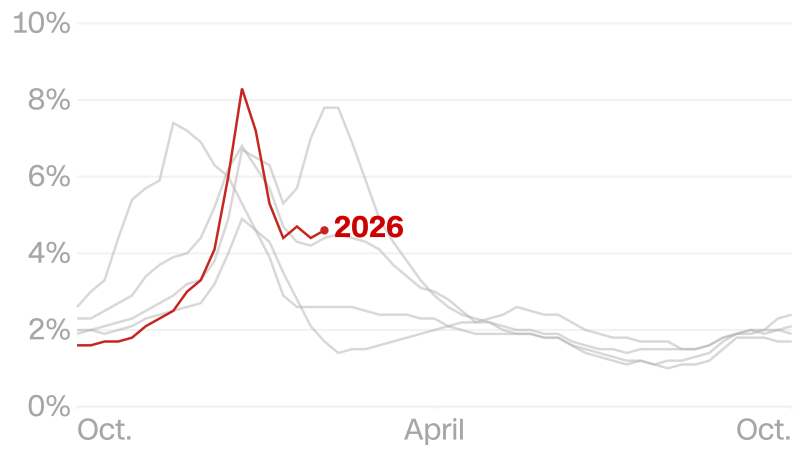
Flu Season Reaches Unprecedented Levels
The United States is experiencing one of the most severe flu seasons on record. The rate of doctor’s visits for flu-like symptoms has reached unprecedented levels since the US Centers for Disease Control and Prevention (CDC) began national surveillance in 1997. This season’s intensity has sparked widespread concern among health officials and the general public alike.
CNN is closely monitoring the situation by tracking flu case rates and hospitalizations across the country. The data gathered provides critical insights into the geographic spread and severity of the outbreak, helping to inform public health responses.
Understanding the Data: Maps and Charts
Maps and charts play a crucial role in visualizing the flu’s impact. They offer a clear representation of how the virus spreads geographically and over time. For instance, heat maps show areas with high concentrations of flu cases, while line graphs track the increase in hospitalizations.
These visual tools enable both officials and the public to understand the flu season’s dynamics better. Moreover, they highlight regions that may require additional healthcare resources. Consequently, this helps in planning effective interventions and allocating resources where they are most needed.
The Role of the CDC in Flu Surveillance
The CDC has been at the forefront of flu surveillance since it started collecting data nearly three decades ago. The agency’s National Influenza Surveillance System collects and analyzes reports from thousands of healthcare providers nationwide. This data is crucial in tracking the flu’s spread and severity, allowing for timely public health interventions.
Additionally, the CDC’s weekly updates provide valuable information to healthcare providers, policymakers, and the public. These updates include current flu activity levels, hospitalization rates, and vaccine effectiveness. CDC’s official website offers detailed reports and resources for those seeking more information.
Impact on Healthcare Systems
The current flu season has put a significant strain on healthcare systems across the country. Hospitals are facing increased admissions, leading to challenges in managing resources and staffing. Emergency departments, in particular, have reported longer wait times and bed shortages.
Moreover, healthcare providers are working tirelessly to manage the surge in flu cases. They are also encouraging vaccinations to prevent further spread. The increased cases underscore the importance of flu vaccines, which remain the most effective way to reduce the risk of severe illness.
Future Implications and Preventative Measures
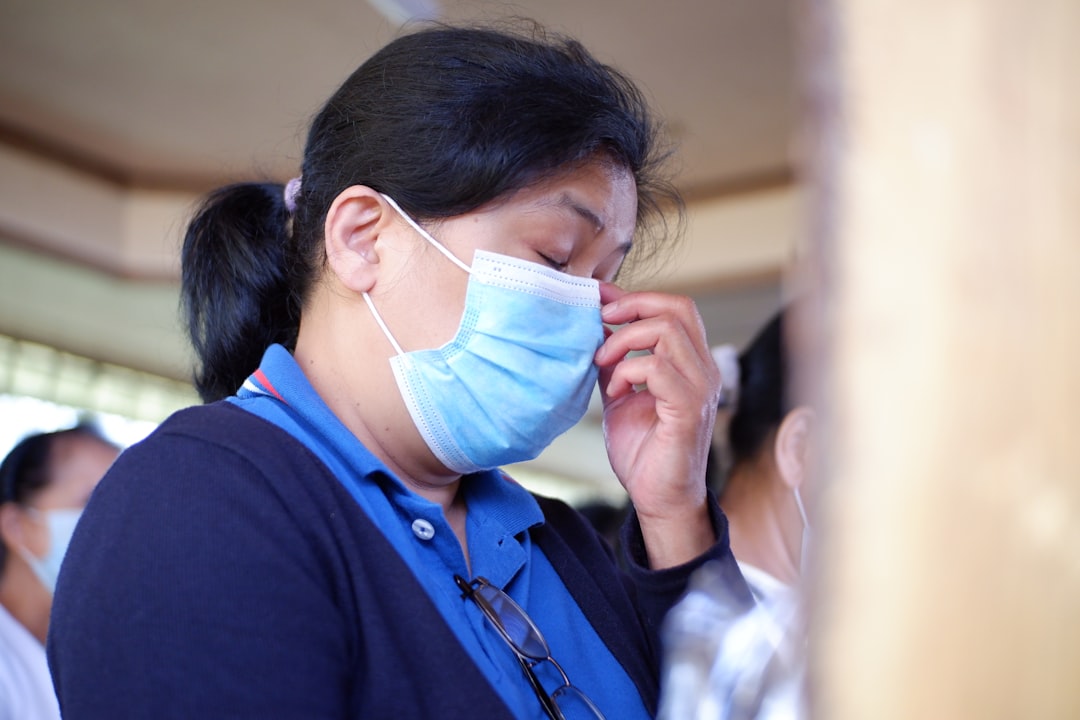
As the flu season progresses, officials emphasize the need for continued vigilance. Public health campaigns are focusing on promoting flu vaccinations and educating the public about preventive measures. These include regular hand washing, wearing masks, and staying home when sick.
In conclusion, the current flu season serves as a reminder of the importance of preparedness in public health. The insights gained from this season will be crucial in shaping future responses and enhancing the nation’s ability to handle similar outbreaks.
For more detailed information on tracking flu cases in the US, visit the original CNN article.
Source Attribution: Information verified by CNN and CDC. Original article available at CNN.
About The Author


