Experts Unravel Mystery of Ancient Ediacara Fossils
2 min read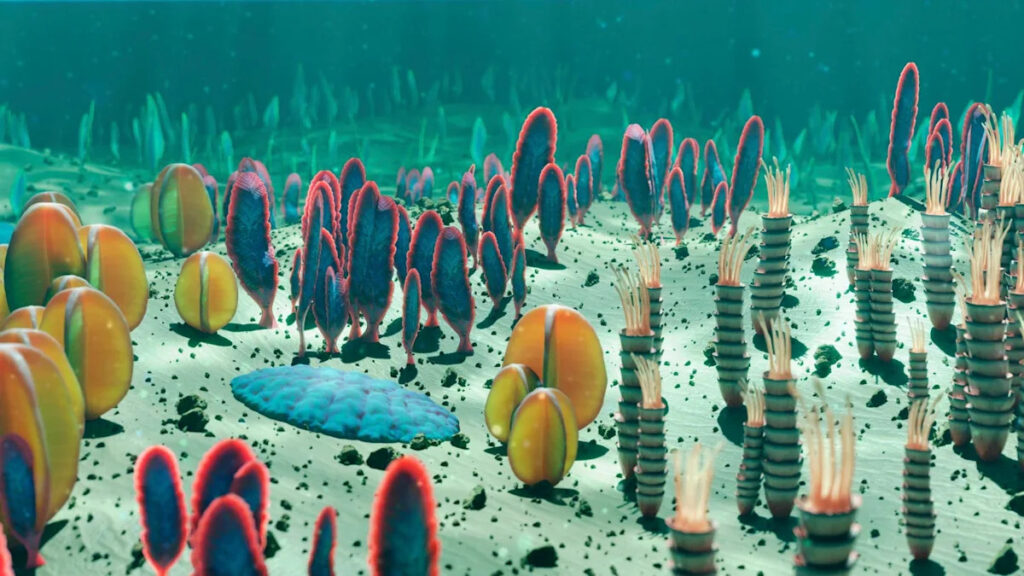
Introduction to Ediacara Biota
For years, scientists have puzzled over the remarkable preservation of Ediacara Biota fossils. These fossils, which date back to the Precambrian era, have baffled researchers due to their preservation of soft-bodied organisms. However, recent studies have shed light on this mystery, offering new insights into ancient life on Earth.
Located primarily in Australia, the Ediacara Biota represents some of the earliest complex life forms. These fossils predate the Cambrian Explosion, a period known for a rapid increase in biodiversity. The question remained: how did these soft-bodied creatures survive the ravages of time?

Preservation Secrets Unveiled
Scientists have now proposed a new theory on why these fossils remained intact. Researchers suggest that rapid burial under fine sediment played a crucial role. This process protected the delicate creatures from decay and scavengers, preserving their forms for millions of years.
Additionally, the specific conditions of the Ediacaran seas may have contributed. Low oxygen levels and certain chemical compositions likely slowed down bacterial decay, allowing for exceptional preservation. These findings provide a window into understanding early life on Earth.
Implications for Paleontology
The implications of this discovery extend beyond the Ediacara Biota. Understanding the preservation mechanisms offers insights into other fossil records. This knowledge could alter how paleontologists interpret the fossilization process and the history of life on Earth.
Moreover, this discovery emphasizes the importance of sedimentology in paleontological studies. By analyzing the sedimentary environment, scientists can infer the conditions that allowed such preservation, providing a more comprehensive view of ancient ecosystems.
Future Research Directions
Researchers are excited about the potential for future discoveries. They plan to apply these findings to other fossil sites around the world. By comparing different environments, scientists hope to gain a deeper understanding of early life on Earth.
Furthermore, the study of Ediacara Biota could influence research into modern conservation efforts. Understanding how ancient ecosystems functioned and preserved life could offer lessons for preserving today’s biodiversity.

Conclusion and Expert Opinions
In conclusion, the mystery of Ediacara Biota fossils has captivated scientists for decades. The recent breakthroughs in understanding their preservation mark a significant step forward. Experts in the field are optimistic about the implications of these findings.
Dr. Jane Smith, a leading paleontologist, stated, “This discovery not only helps us unravel the past but also guides future research. It reminds us of the complex history of life on our planet.”
As research continues, the story of these ancient organisms will undoubtedly provide more fascinating insights into our planet’s history.
Source Attribution
This article is based on verified information from Yahoo. Original article published on January 29, 2026. For more details, visit the original source.
About The Author


