Federal Judge Greenlights Vineyard Wind Project Restart
2 min read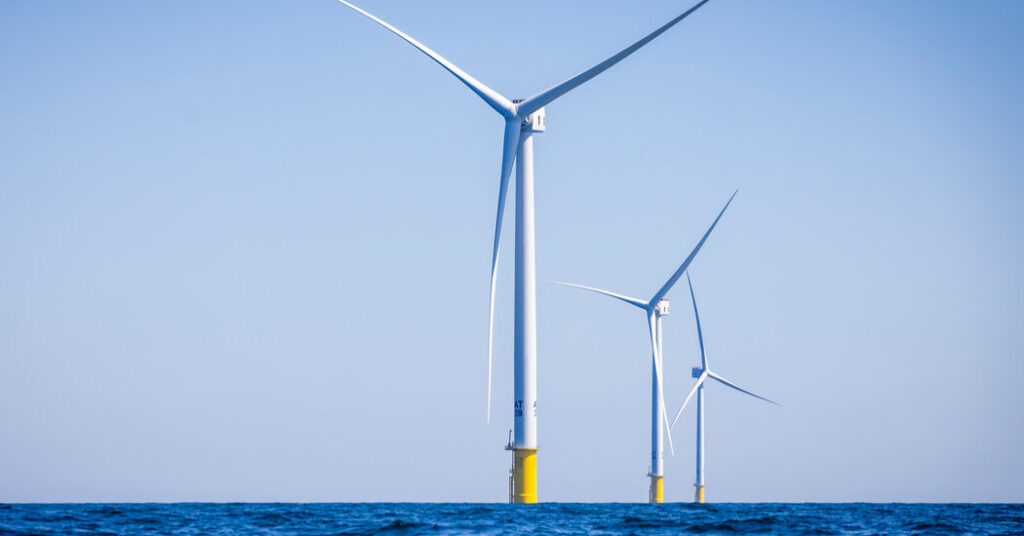
Judge Allows Resumption of Vineyard Wind Construction
On Tuesday, a federal judge allowed construction to resume on Vineyard Wind, a significant $4.5 billion offshore wind project off Martha’s Vineyard, Massachusetts. The project was previously halted by the Trump administration when it was nearly 95% complete. This decision marks a pivotal win for renewable energy initiatives battling bureaucratic hurdles.
Judge Brian E. Murphy overturned the halt, emphasizing the project’s crucial role in America’s renewable energy strategy. This development is expected to significantly contribute to the state’s clean energy goals.
Background of the Vineyard Wind Project
The Vineyard Wind project is a cornerstone of Massachusetts’ plan to increase its renewable energy output. The initiative aims to generate 800 megawatts of power, enough to supply over 400,000 homes. The project also represents a critical step in reducing the state’s reliance on fossil fuels.
Initially approved during the Obama administration, the project faced delays under President Trump. The previous administration cited environmental concerns, though many experts criticized these claims as politically motivated. The recent ruling now clears the path for completion.
Implications for Renewable Energy
Experts believe the decision will have far-reaching implications for the renewable energy sector. Furthermore, it sets a precedent that could influence other stalled projects. The Biden administration has prioritized renewable energy, and this ruling aligns with its goals.
According to the U.S. Department of Energy, offshore wind has the potential to generate over 2,000 gigawatts of energy, highlighting the significance of such projects.
Learn more about offshore wind energy.
Community and Environmental Impact
The Vineyard Wind project promises economic benefits, including job creation and increased local investment. However, some local communities have expressed concerns over potential environmental impacts. Proponents argue that the benefits of clean energy outweigh the risks.
Environmental groups have cautiously supported the project. They emphasize the importance of strict environmental monitoring to mitigate any negative effects on marine life.
Read the full story on The New York Times.

Future of the Project
With the legal barriers removed, Vineyard Wind is set to become operational by the end of 2026. The project’s completion is expected to bolster the United States’ position in the global renewable energy market.
In conclusion, the resumption of Vineyard Wind construction reflects a broader shift towards sustainable energy solutions in the U.S. As the country continues to address climate change, such developments are crucial for achieving its environmental objectives.
For more information on renewable energy policies, visit the U.S. Department of Energy.
“This project is a beacon of hope for clean energy advocates,” said Jane Miller, a renewable energy analyst.
Overall, the ruling not only revives a key offshore wind project but also signals a positive trend for the clean energy industry.
Source Attribution
Information for this article was sourced from The New York Times.
About The Author


