Minnesota Immigration Enforcement Tied to Local Cooperation
2 min read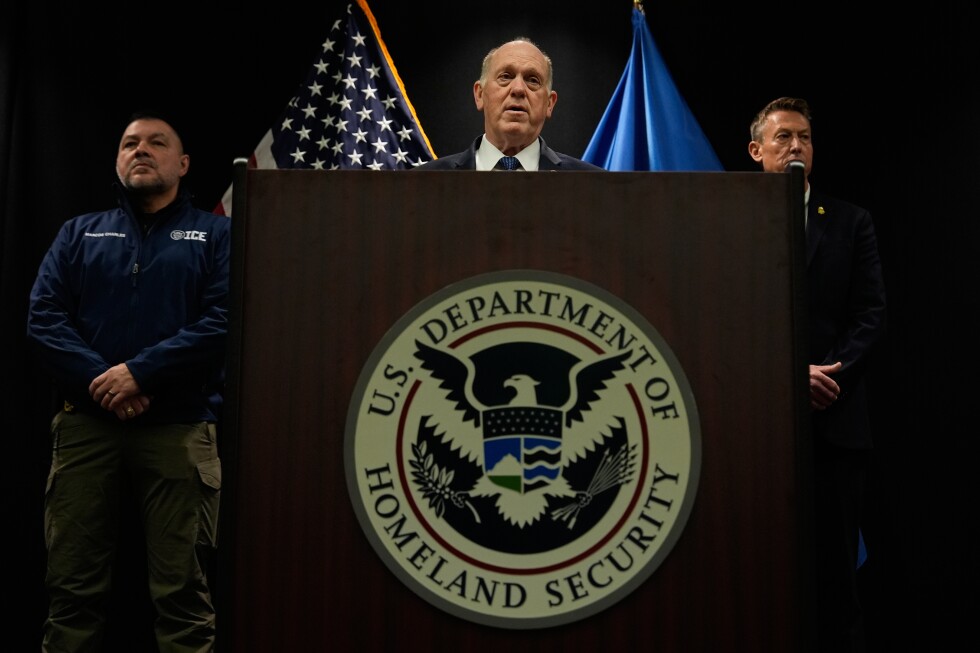
Immigration Enforcement Changes in Minnesota
The Trump administration may decrease the number of immigration enforcement officers stationed in Minnesota. President Donald Trump’s border czar, Tom Homan, announced this potential shift on Thursday. However, he emphasized that such changes depend entirely on cooperation from state and local officials.
Homan highlighted a ‘zero tolerance’ policy towards jurisdictions that do not align with federal immigration enforcement efforts. Minnesota, like other states, could see a reduction in officers if it demonstrates full compliance with federal immigration laws.

Cooperation as a Key Factor
Homan stressed that cooperation is crucial. He stated, “We need local officials to work with us. If they do, we can reallocate resources effectively.” The administration’s goal is to streamline operations across the country. By reallocating officers, they hope to target areas with higher needs, thus improving overall efficiency.
This approach has sparked debate among local leaders. Some argue it could foster better federal-state relations. Others fear it might pressure local jurisdictions to comply with policies they view as harsh.
Reactions from Local Officials
Local officials in Minnesota have expressed mixed reactions. Minneapolis Mayor Jacob Frey stated, “Our priority is community safety, not immigration enforcement.” Meanwhile, some county sheriffs have shown willingness to cooperate, citing the benefits of reduced federal presence.
Moreover, Homan’s comments come amid a broader national debate on immigration policy. Minnesota’s stance could serve as a model for other states contemplating how to balance local autonomy with federal directives.
Potential Impact on Minnesota Communities
The potential reduction in immigration officers could lead to significant impacts on local communities. For instance, immigrant communities may experience less federal oversight, potentially reducing the number of deportations. However, this could also lead to increased responsibilities for local law enforcement.

Consequently, local organizations are preparing for possible changes. Advocacy groups like the Immigrant Law Center of Minnesota are closely monitoring developments. They aim to support communities navigating these potential changes.
Future Implications
Looking ahead, the situation remains fluid. As negotiations between state officials and the federal government continue, Minnesota’s approach could influence national policy discussions. Furthermore, the outcome may affect how other states negotiate their relationships with federal agencies.
In conclusion, the potential drawdown of immigration officers in Minnesota underscores the importance of cooperation between local and federal authorities. This situation highlights the ongoing complexities of immigration enforcement across the United States.
For further information, readers can visit the Wikipedia page on Trump’s immigration policy and the U.S. Citizenship and Immigration Services website.
Source Attribution: This article is based on information from the Associated Press, published on January 29, 2026.
About The Author


