U.S. Power Grid Faces Rising Blackout Risks, Experts Warn
2 min read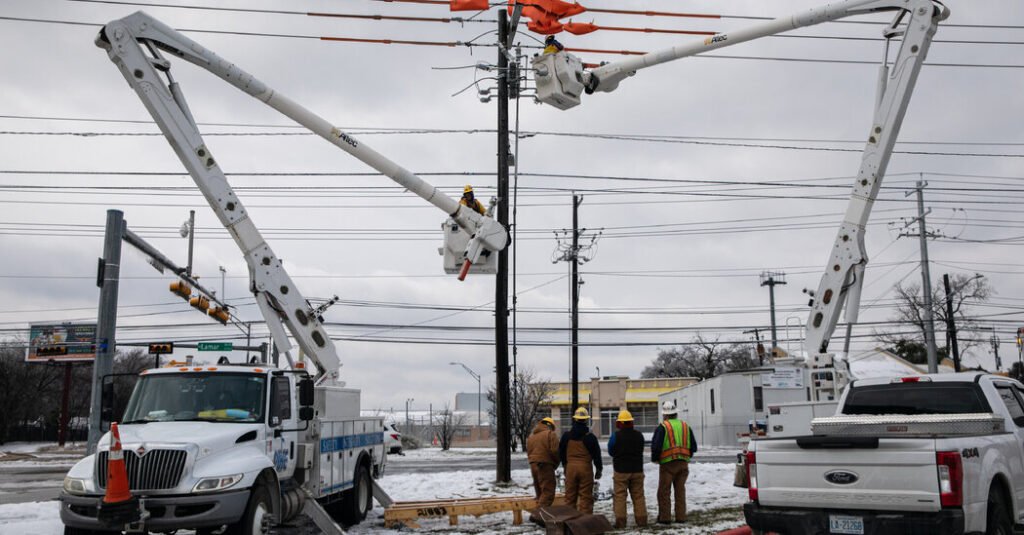
Electric Grids Under Strain: A Growing Concern
The reliability of electric grids across the United States and Canada is currently under significant strain. Experts warn that this issue could escalate in the next five years, putting tens of millions at risk of blackouts. The North American Electric Reliability Corporation (NERC), which monitors most of North America’s electricity system, recently highlighted these concerns. They noted that grid reliability is worsening due to several factors.
According to NERC’s report, extreme weather events, aging infrastructure, and increasing power demand are contributing to the challenges faced by the grids. The New York Times also reported these findings, emphasizing the urgency of addressing these issues.

Factors Contributing to Grid Instability
Extreme weather events, such as hurricanes and winter storms, have increased in frequency and intensity. These events have caused severe damage to power lines and substations. Consequently, grid operators face challenges in maintaining consistent electricity supply. Furthermore, the aging infrastructure of many power systems is not equipped to handle modern demands.
Moreover, the transition to renewable energy sources, while necessary, presents additional challenges. The integration of solar and wind energy into the grid requires significant changes in infrastructure and management. As a result, the risk of instability increases during this transition period.
Potential Solutions and Future Outlook
To mitigate these risks, experts suggest several potential solutions. Upgrading infrastructure is crucial. This includes reinforcing power lines and modernizing substations to withstand extreme weather. Additionally, investing in technology that enhances grid management and resilience is essential.
Governments and private sectors must collaborate to ensure a stable energy future. For instance, the U.S. Department of Energy has initiated several projects aimed at improving grid resilience. Official Department of Energy website provides details on such initiatives.
Implications for Consumers and Businesses
Blackouts can have severe implications for consumers and businesses alike. For consumers, power outages disrupt daily life and can lead to increased costs. Meanwhile, businesses face potential losses in productivity and revenue. Therefore, it is imperative for stakeholders to act swiftly to minimize these risks.
Energy companies are encouraged to invest in customer education. This includes advising on energy conservation and preparing for potential outages. Additionally, consumers are advised to have backup power solutions, such as generators or solar panels, to mitigate the impact of blackouts.
Conclusion: A Call to Action
In conclusion, the warning from NERC should serve as a wake-up call. The next five years will be critical in determining the resilience of North America’s power grids. As extreme weather events become more frequent, and energy demands increase, proactive measures are essential.
Overall, addressing these challenges requires a coordinated effort from governments, energy companies, and consumers. By investing in infrastructure and promoting sustainable energy practices, North America can enhance its grid reliability. Wikipedia offers further insight into NERC’s role and responsibilities.
Source: The New York Times
About The Author


